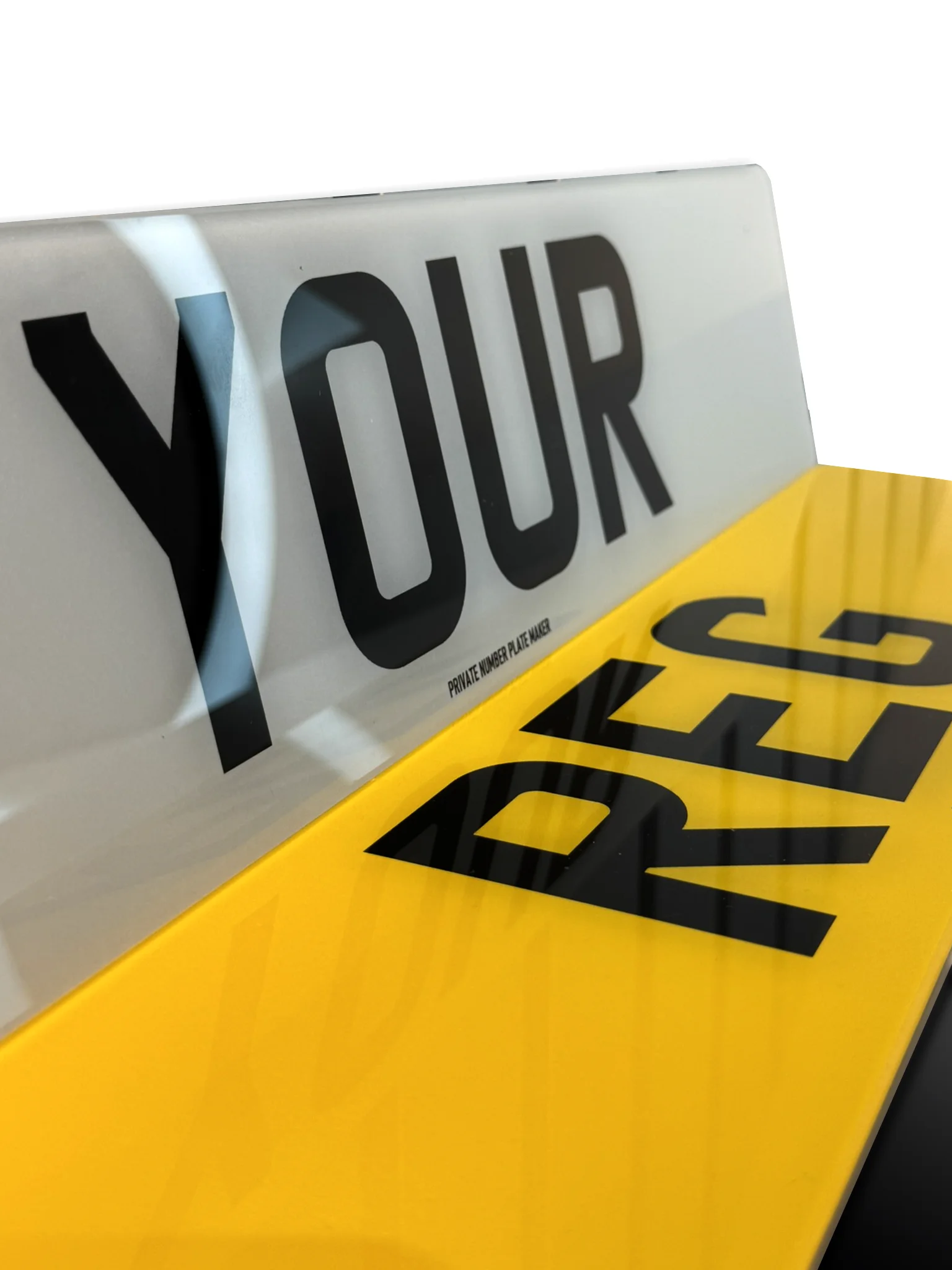
 Printed
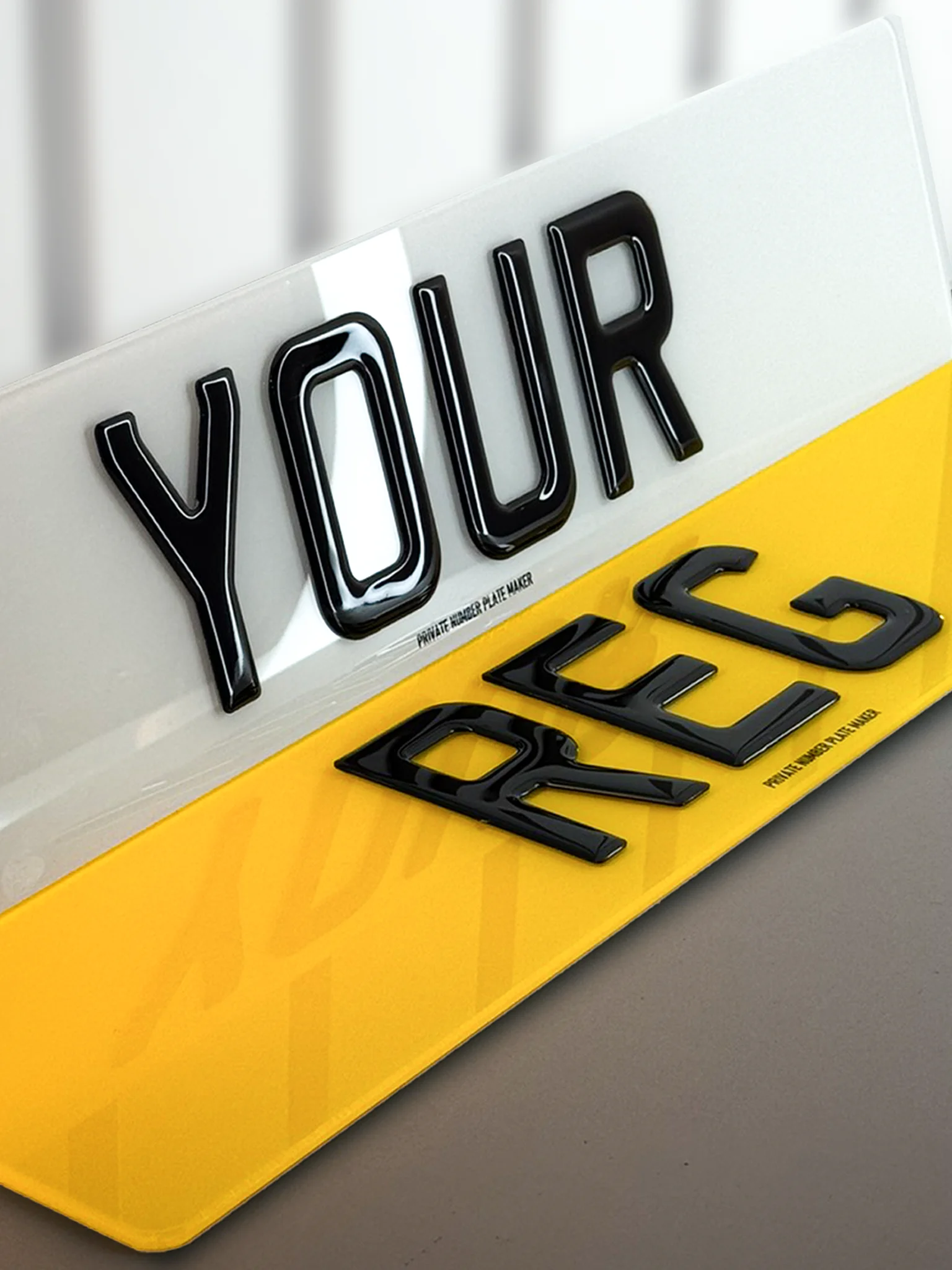 3D Plate
 4D Plate
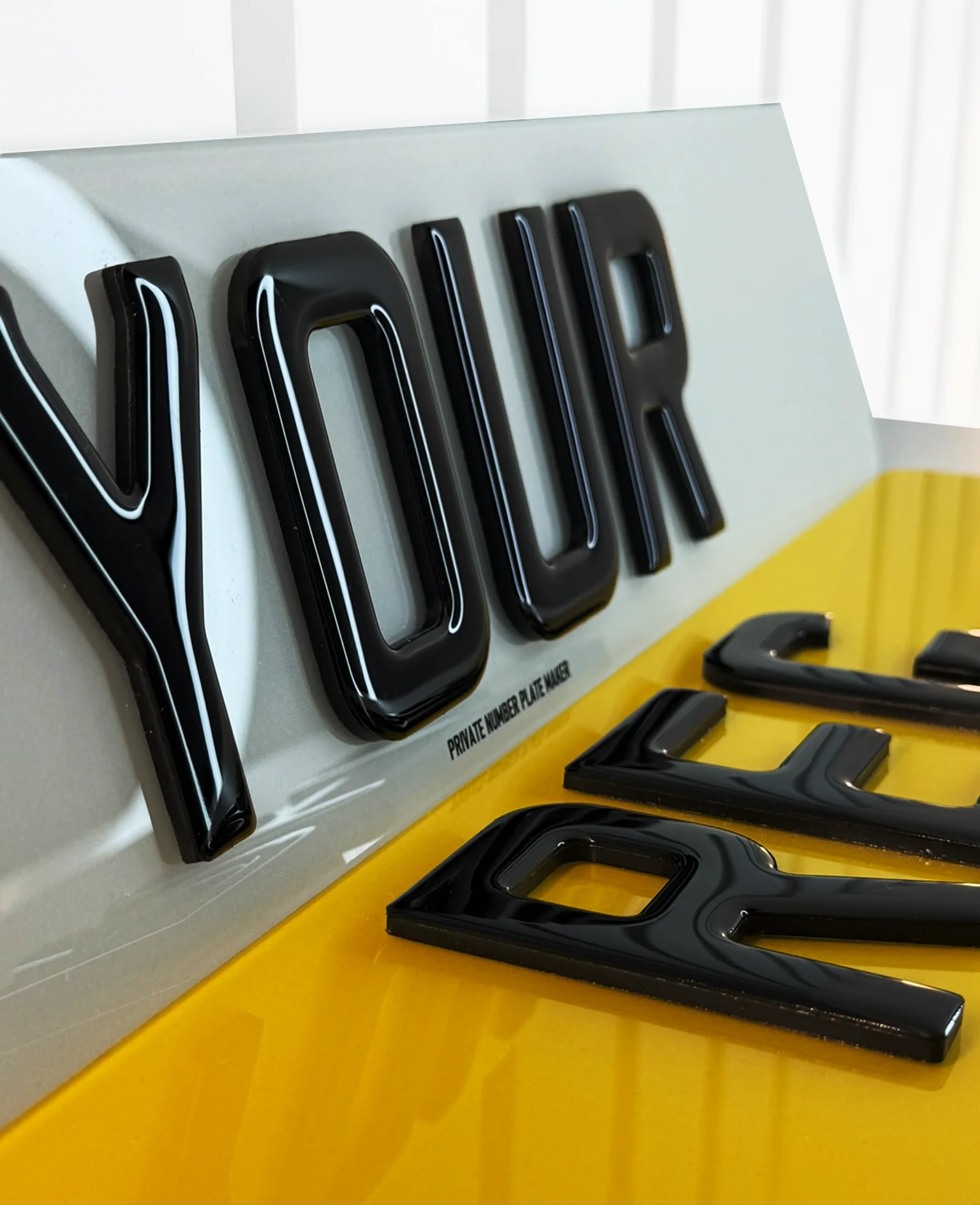 5D Plate
 Ghost
Ghost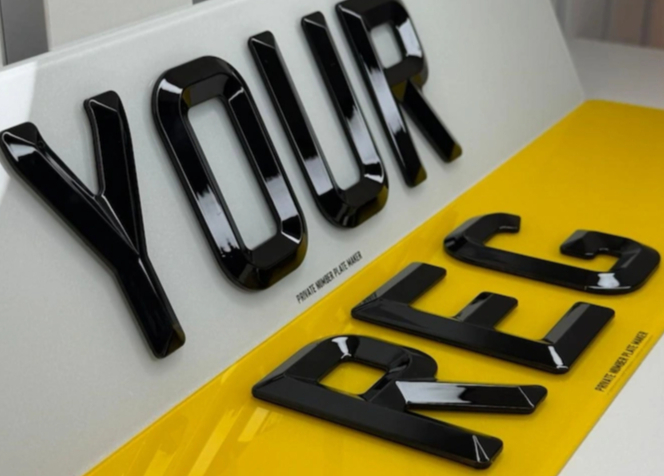 Bevel
BevelHow ANPR Cameras Work: Why Plate Compliance Matters

Summary
ANPR (Automatic Number Plate Recognition) cameras work by capturing vehicle registration plates using visible light and Near Infrared (NIR) spectrum imaging, then converting the image to text through Optical Character Recognition (OCR) software. The system relies on specific plate characteristics including retroreflective materials, mandatory Charles Wright font, and correct character dimensions to achieve accurate reads.
BS AU 145e:2018 standards were updated specifically to ensure number plates remain compatible with ANPR technology, with NIR compatibility being a new requirement introduced in the 2018 revision. Plates that do not meet these standards may fail to register on ANPR systems, potentially triggering enforcement alerts and police investigations.
What Is ANPR Technology?
ANPR stands for Automatic Number Plate Recognition, a technology that automatically reads vehicle registration marks using specialised cameras and software.
Core Components of ANPR Systems
Camera Hardware:
- High-resolution cameras capable of capturing plates at various speeds
- Infrared LED illuminators for night and low-light operation
- Fast shutter speeds to capture moving vehicles
Image Processing:
- Software identifies plate location within captured image
- Characters are isolated and enhanced for readability
- Optical Character Recognition converts image to text
Database Integration:
- Read data is cross-referenced against multiple databases
- Police National Computer (PNC) for vehicle status
- DVLA records for registration verification
- Insurance and MOT databases
Where ANPR Cameras Are Located
Fixed Sites
Major road networks and motorways, city centre entry points, congestion charge zones, car parks and restricted areas
Mobile Units
Police vehicles (marked and unmarked), temporary enforcement locations, border crossing points
Integration Points
Traffic light cameras, speed camera systems, toll collection points
Do 3D Plates Work with ANPR Cameras Guide | 4D Plates ANPR Definitive Guide
The Science Behind ANPR: How Cameras Actually Read Plates
Understanding the technical process explains why plate compliance is non-negotiable.
Step 1: Image Capture
ANPR cameras capture images using two light spectrums:
Visible Light
- Standard photography spectrum
- Used for general vehicle identification
- Provides colour information
Near Infrared (NIR)
- Wavelength range: 700-1000 nanometres
- Invisible to human eye
- Critical for plate character recognition
Step 2: Plate Localisation
Software identifies the number plate within the captured image:
- Detects rectangular plate boundaries
- Identifies high-contrast character areas
- Isolates plate from background clutter
Step 3: Character Segmentation
Individual characters are separated for analysis:
- Software identifies character boundaries
- Each character is processed independently
- Spacing patterns help confirm accuracy
Step 4: Optical Character Recognition
OCR software converts character images to text:
- Compares captured characters against font database
- Charles Wright font patterns are pre-loaded
- Confidence scoring determines read reliability
Step 5: Database Cross-Reference
Read data is checked against enforcement databases:
- Vehicle tax status
- MOT validity
- Insurance coverage
- Stolen vehicle alerts
- Driver disqualification flags
Why BS AU 145e Includes NIR Compatibility Requirements
The 2018 update to BS AU 145e introduced Near Infrared compatibility as a mandatory requirement. This change was driven by ANPR technology deployment across UK enforcement networks.
The Four BS AU 145e Requirements
| Requirement | Purpose | ANPR Relevance |
|---|---|---|
| Reflectivity | Plate visibility | Ensures camera capture |
| Impact Resistance | Durability | Maintains readability over time |
| Weathering | Environmental resistance | Prevents fading and degradation |
| NIR Compatibility | Infrared spectrum performance | Critical for ANPR reads |
Why NIR Compatibility Matters
Background-Character Contrast
White/yellow backgrounds reflect NIR light. Black characters absorb NIR light. This contrast enables character recognition.
Material Specifications
Retroreflective materials must maintain NIR properties. Coatings cannot interfere with infrared absorption. Testing verifies performance across spectrum.
Real-World Performance
Plates must read in daylight and darkness. Weather conditions cannot compromise reads. Angle and distance variations must be accommodated.
Charles Wright Font: Designed for ANPR Readability
The mandatory Charles Wright font was selected specifically for ANPR compatibility when introduced in 2001.
Font Characteristics That Enable ANPR Reads
Consistent Stroke Width:
- 14mm stroke thickness throughout
- No thin or thick variations
- Predictable infrared absorption patterns
Character Differentiation:
- Clear distinction between similar characters
- '0' vs 'O' differentiation
- '1' vs 'I' vs 'L' separation
Spacing Standardisation:
- 11mm between characters
- 33mm age identifier gap
- Software expects these patterns
Prohibited Font Variations
The following modifications compromise ANPR readability:
Two-Tone Characters
Different infrared absorption across character confuses OCR software and may trigger enforcement alerts
Stylised Fonts
Non-standard character shapes create unpredictable recognition patterns and higher error rates
Decorative Elements
Outlines, shadows, or effects interfere with character boundaries and reduce read confidence scores
ANPR Read Rates and Accuracy Statistics
Understanding typical performance helps explain why compliance matters.
Typical ANPR Performance Metrics
| Metric | Compliant Plates | Non-Compliant Plates |
|---|---|---|
| Read Success Rate | 95%+ | Variable (often below 50%) |
| False Positive Rate | Less than 1% | Significantly higher |
| Night Read Rate | 90%+ | Often fails completely |
| Speed Tolerance | Up to 100mph | Reduced at speed |
Factors Affecting Read Accuracy
Plate Condition
Clean plates read more reliably. Dirt and grime reduce success rates. Damage compromises character recognition.
Environmental Conditions
Rain and fog can reduce range. Direct sunlight may cause glare. Extreme temperatures affect materials.
Camera Positioning
Optimal angle improves reads. Height and distance matter. Multiple cameras increase coverage.
What Happens When ANPR Cannot Read Your Plate
Failed ANPR reads trigger specific enforcement responses depending on the circumstances.
Automatic System Responses
Flagged for Review:
- Failed reads are logged in the system
- Multiple failures may trigger alerts
- Pattern recognition identifies repeat offenders
Manual Verification:
- Operators may review flagged images
- Human confirmation of plate details
- Additional database checks initiated
Enforcement Referral:
- Persistent failures may prompt police action
- Vehicle may be stopped for inspection
- Plate compliance checked visually
Potential Consequences
Immediate Actions
Vehicle stop by police, visual plate inspection, documentation verification
Penalties
Fine up to £1,000 per offence, MOT failure if plates non-compliant, vehicle seizure in serious cases
Long-Term Implications
Vehicle flagged in enforcement databases, increased scrutiny on future journeys, insurance complications possible
Ghost Plates and ANPR: The Compliance Line
Ghost plates represent a particular challenge for ANPR compatibility and enforcement.
Legal Ghost Plates
Compliant Characteristics:
- Subtle gradient effect only (no reflective coating)
- Charles Wright font maintained underneath
- BS AU 145e materials used
- NIR contrast preserved
ANPR Performance:
- Should read reliably on compliant systems
- May have slightly reduced read rates
- Still meets enforcement requirements
Illegal Ghost Plates
Non-Compliant Characteristics:
- Reflective sprays or coatings applied
- Deliberate ANPR interference
- May use non-standard fonts
- BS AU 145e marking often absent
ANPR Performance:
- Frequently fails to read
- Triggers enforcement alerts
- High prosecution risk
2026 Enforcement Focus:
- Government crackdown announced
- Increased police targeting
- Supplier prosecutions ongoing
Legal Ghost Plates UK Guide | Are Ghost Plates Legal 2026 Guide | How to Identify Legal Ghost Plates Guide | Illegal Ghost Plates Penalties Guide | Government Crackdown Ghost Plates 2026 Guide | Tinted Number Plates vs Ghost Plates Legal Guide
Other Plate Types and ANPR Compatibility
Different plate styles have varying ANPR compatibility depending on manufacturing quality.
3D Gel Plates
Compliant When:
- Gel overlay does not interfere with NIR contrast
- Characters remain solid black
- BS AU 145e materials used
ANPR Considerations: Quality of gel application matters. Thickness must not exceed specifications. Reputable manufacturers test for compatibility.
3D Gel Number Plates Explained Guide | Are 3D Gel Plates Legal Guide | 3D Gel Plates FAQ Guide
4D Laser-Cut Plates
Compliant When:
- Acrylic characters maintain Charles Wright shape
- Black acrylic absorbs NIR correctly
- Dimensions meet regulations
ANPR Considerations: Acrylic quality affects performance. Adhesive must not create reflective spots. Edge finishing should not interfere.
4D Number Plates Explained Guide | Are 4D Plates Legal 2026 Guide | 4D Plate Thickness Guide
5D Plates
Compliant When:
- Both acrylic and gel layers meet requirements
- Combined thickness within specifications (5mm total)
- NIR contrast maintained through both materials
ANPR Considerations: More complex manufacturing increases risk. Only experienced suppliers should produce. Testing essential before supply.
5D Number Plates Explained Guide | Are 5D Number Plates Legal Guide | 5D vs 4D vs 3D Number Plates Comparison Guide | 5D Gel vs Standard 4D Number Plates Guide | 5mm 4D vs 5D Plates Guide
Green Flash Plates (EV)
Compliant When:
- Green flash does not affect character area
- Standard BS AU 145e materials for characters
- All other requirements met
ANPR Considerations: Green flash is outside character area. Should not affect read rates. Increasing camera recognition of EV plates.
Green Number Plates UK Guide | Are Green Number Plates Legal Guide | Who Can Get Green Number Plates Guide | Green Number Plates Benefits Guide | 5D Plates Electric Vehicles Guide
Our ANPR Compliance Testing at Private Number Plate Maker Ltd
As a DVLA-registered manufacturer (RNPS ID: 75449), we test every plate for ANPR compatibility before dispatch.
Our Testing Process
Material Verification:
- All materials sourced from BS AU 145e certified suppliers
- Batch documentation maintained
- NIR compatibility certificates requested
Production Quality Control:
- Charles Wright font templates verified digitally
- Character dimensions checked against specifications
- Spacing patterns confirmed before manufacturing
Final Inspection:
- Visual inspection of every plate
- BS AU 145e marking verification
- Supplier details confirmed
Our Ilford Workshop
Physical Location
Castleview Gardens, Ilford, East London. Visit us for in-person verification. Same-day collection available.
On-Site Manufacturing
Unlike resellers, we control the entire process. Immediate quality correction possible. No drop-shipping uncertainties.
Local Service
Coverage across East London including Barking, Romford, Dagenham. Next-day UK delivery available.
Same Day Number Plates Ilford Guide | Number Plate Delivery Times Guide
Common ANPR Myths and Misconceptions
Several myths circulate about ANPR technology and plate compliance.
Myth: "ANPR Only Works in Daylight"
Fact: ANPR cameras use infrared illumination for night operation. Infrared LEDs provide illumination. NIR spectrum works in complete darkness. Night read rates remain above 90% for compliant plates.
Myth: "Slightly Non-Compliant Plates Won't Be Noticed"
Fact: ANPR systems flag read failures automatically. Failed reads are logged. Pattern recognition identifies repeat issues. Police may investigate persistent failures.
Myth: "Only Police Use ANPR"
Fact: Multiple agencies operate ANPR systems including local councils for parking enforcement, Highways England for traffic management, private car parks for access control, and insurance companies for fraud detection.
Myth: "ANPR Data Is Stored Indefinitely"
Fact: Data retention follows specific guidelines. Standard retention is 90 days for most reads. Flagged vehicles may be retained longer. Subject to data protection regulations.
Myth: "Custom Plates Can Be ANPR Compatible"
Fact: Only Charles Wright font is reliably readable. OCR databases contain Charles Wright patterns. Custom fonts have unpredictable performance. Non-standard fonts risk enforcement action.
3D vs 4D vs Standard Number Plates Comparison Guide | 4D vs 3D Plates Guide
How to Ensure Your Plates Are ANPR Compatible
Vehicle owners can take specific steps to verify and maintain ANPR compatibility.
Visual Inspection Checklist
Font Verification:
Characters match Charles Wright style. No stylised or decorative elements. Single shade of black throughout.
Marking Check:
BS AU 145e visible (post-September 2021 plates). Supplier name and postcode present. Markings legible.
Condition Assessment:
No cracks or damage. Characters securely attached. No significant fading.
Cleanliness:
Regular cleaning maintains readability. Remove dirt and grime buildup. Check after winter road salt exposure.
Professional Verification Options
RNPS Supplier Check
Visit any DVLA-registered supplier. Most offer free compliance verification. Can advise on required corrections.
MOT Centre Check
Ask tester to verify during service. Early identification of issues. Avoid surprise failures.
Replacement When Needed
Replace before visible deterioration. Don't wait for MOT failure. Keep purchase documentation.
Replacement Number Plates UK Complete Buying Guide | Emergency Replacement Plates Guide | Number Plate Fitting Guide | Number Plate Maintenance Guide
Future ANPR Technology Developments
ANPR technology continues evolving, with potential implications for plate requirements.
Emerging Technologies
Enhanced Resolution:
- Higher resolution cameras deployed
- Better performance at distance
- Improved accuracy in challenging conditions
AI Integration:
- Machine learning improves recognition
- Adaptive to varying conditions
- Reduced false positive rates
Multi-Spectrum Imaging:
- Additional wavelengths beyond NIR
- Better performance in adverse weather
- Enhanced vehicle identification
Potential Regulatory Changes
Stricter Standards:
- BS AU 145e may be updated
- Additional security features possible
- Digital verification systems under consideration
Enhanced Enforcement:
- More cameras deployed
- Better integration between systems
- Real-time alert capabilities
How to Stay Informed
Official Sources
DVLA website (www.gov.uk/number-plate), government announcements via gov.uk, BSI publications for standard updates
RNPS Supplier Updates
Registered suppliers receive DVLA communications. Ask your supplier about changes. Verify information against official sources.
Frequently Asked Questions
ANPR (Automatic Number Plate Recognition) cameras capture vehicle registrations using visible light and Near Infrared (NIR) spectrum imaging (700-1000nm), then convert images to text via Optical Character Recognition software. The system relies on retroreflective materials, mandatory Charles Wright font, and correct character dimensions to achieve accurate reads. Approximately 50 million plate reads occur daily across UK enforcement networks.
NIR compatibility ensures number plates maintain adequate contrast between black characters and white/yellow backgrounds when viewed in the Near Infrared spectrum, which ANPR cameras use for capture. This requirement was introduced in BS AU 145e:2018 specifically to support enforcement technology deployment. Plates failing NIR tests may not register correctly, triggering alerts or investigations.
Yes, premium plate styles can be ANPR compatible if manufactured correctly. 3D gel and 4D acrylic plates must maintain Charles Wright font shape, solid black characters, and NIR contrast without reflective coatings. Legal ghost plates use subtle gradients only - no ANPR-interfering sprays. All styles must meet BS AU 145e requirements and be produced by DVLA-registered suppliers.
Failed ANPR reads are logged and may trigger enforcement alerts, especially with repeat failures. Police may stop your vehicle for visual inspection, potentially issuing fines up to £1,000 per offence. Non-compliant plates also cause automatic MOT failure. In serious cases involving deliberate ANPR interference, vehicle seizure is possible.
Perform a visual inspection: 1) Verify Charles Wright font with no stylised elements; 2) Check for BS AU 145e marking (post-Sept 2021 plates) and supplier details; 3) Ensure characters are solid black with no reflective coatings; 4) Confirm plates are clean and undamaged. For professional verification, visit any RNPS-registered supplier.
This guide references the following official and verified sources:
Home Office - ANPR Standards and Policy Framework
www.gov.ukBritish Standards Institution - BS AU 145e:2018 Specification
knowledge.bsigroup.comNational Police Chiefs' Council - ANPR Operational Guidance
www.npcc.police.ukVehicle Excise and Registration Act 1994 - Section 42
www.legislation.gov.ukRoad Vehicles (Display of Registration Marks) Regulations 2001 (SI 2001/561)
www.legislation.gov.ukMOT Inspection Manual - DVSA
www.gov.ukBritish Number Plate Manufacturers Association (BNMA) - Technical Guidance
www.bnma.orgRelated Number Plate Guides
Explore our comprehensive guides on UK number plate regulations, styles, and compliance:
Bevel Number Plates Explained Guide | Bevel Plates Vehicle Type Style Guide
Bevel vs 4D vs 5D vs 3D Comparison Guide | Layered Number Plates Dual Layer Construction Guide
Motorcycle Number Plates Guide | 3D Gel Plates Motorcycles Complete Guide
Number Plates for Fleets Guide | Cheap Number Plates Online Guide
3D Gel Plate Reviews Guide | Real 4D Number Plate Reviews UK Drivers Say Guide
3D Plates Popular UK Cars Gallery Guide | 5D Plates for Car Shows Guide
Premium Number Plates 5D Worth Investment Guide
DVLA Document Requirements Guide | V5C vs V750 vs V778 Guide | How to Photograph Documents for Verification Guide