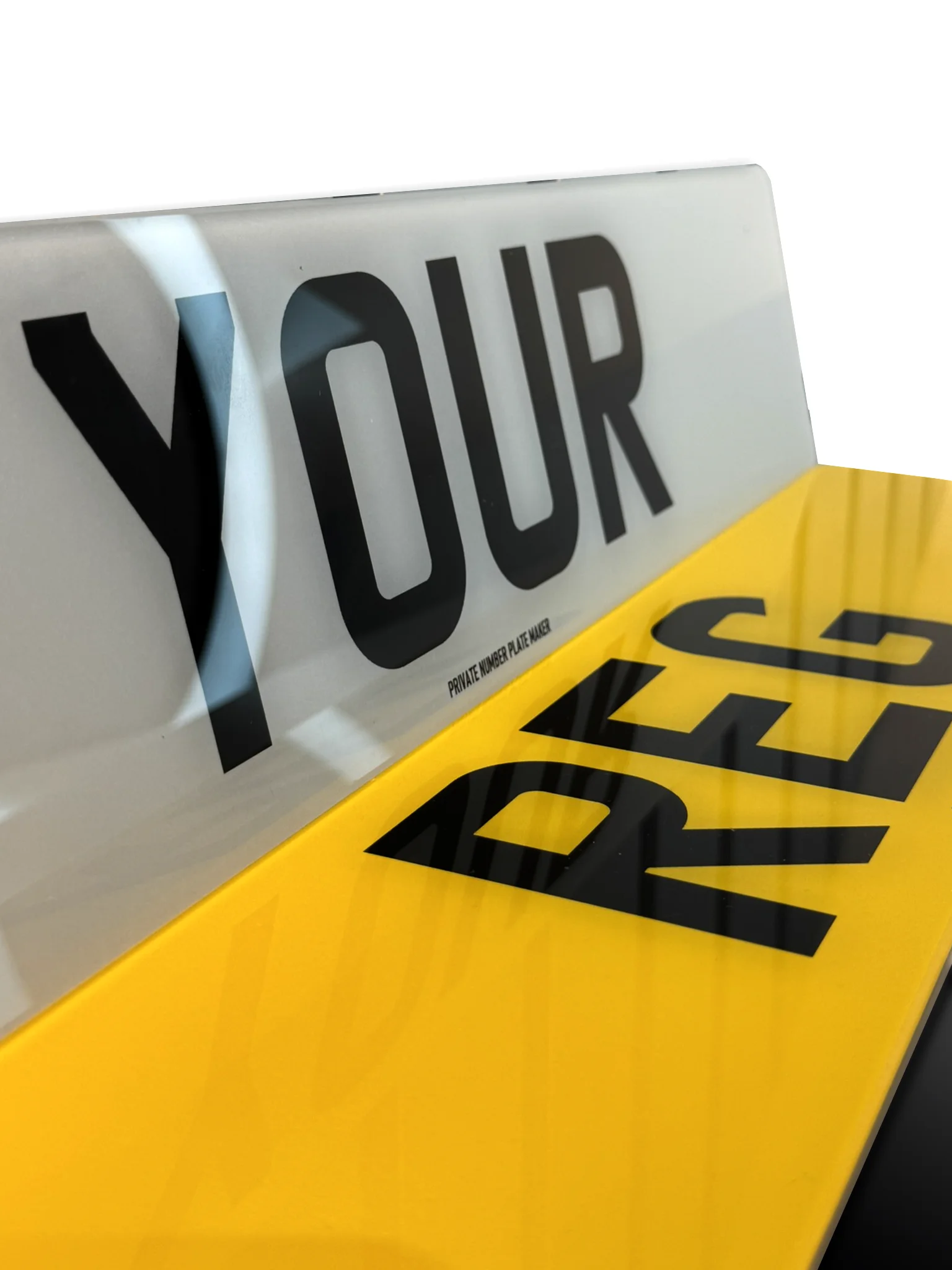
 Printed
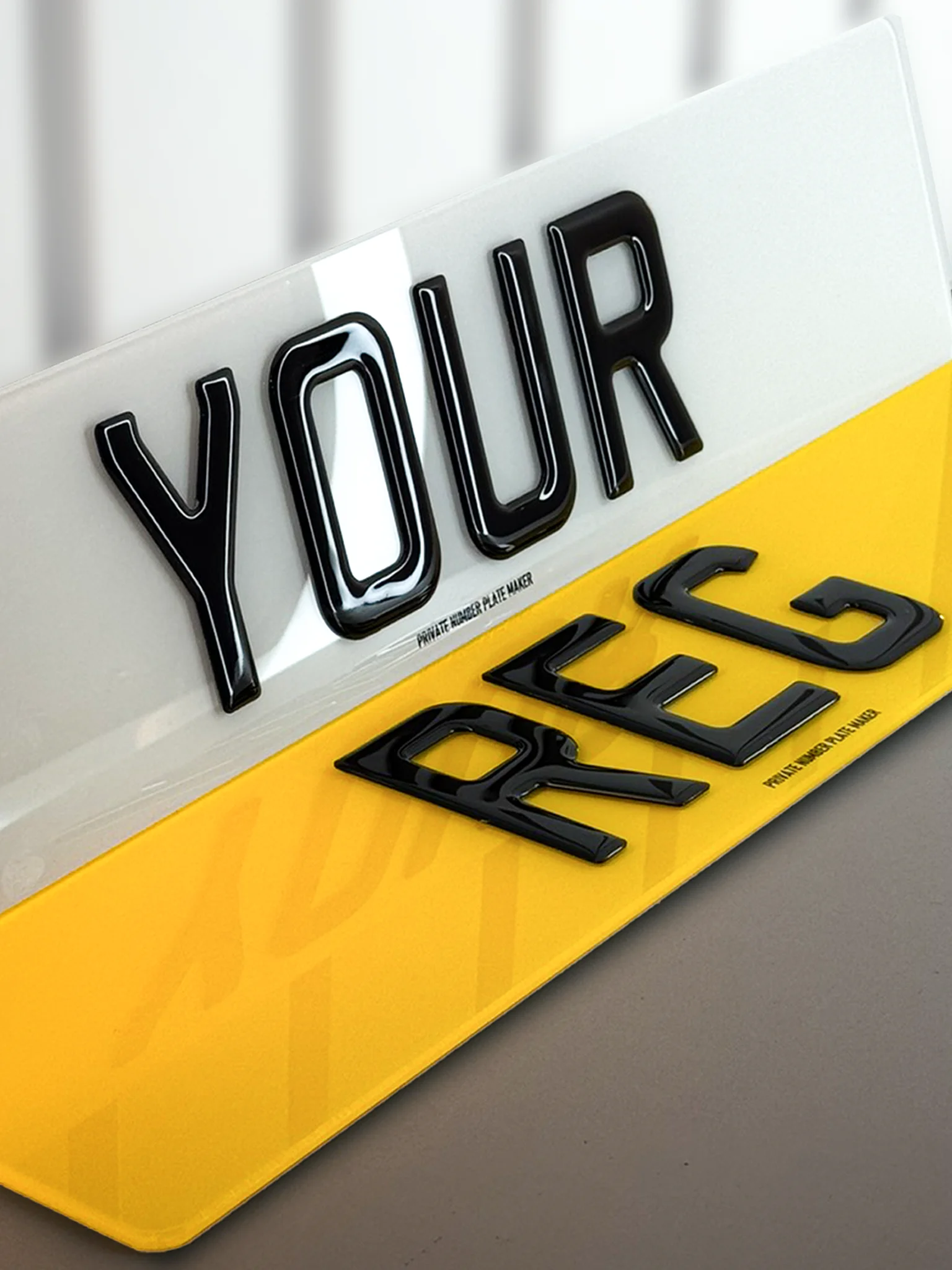 3D Plate
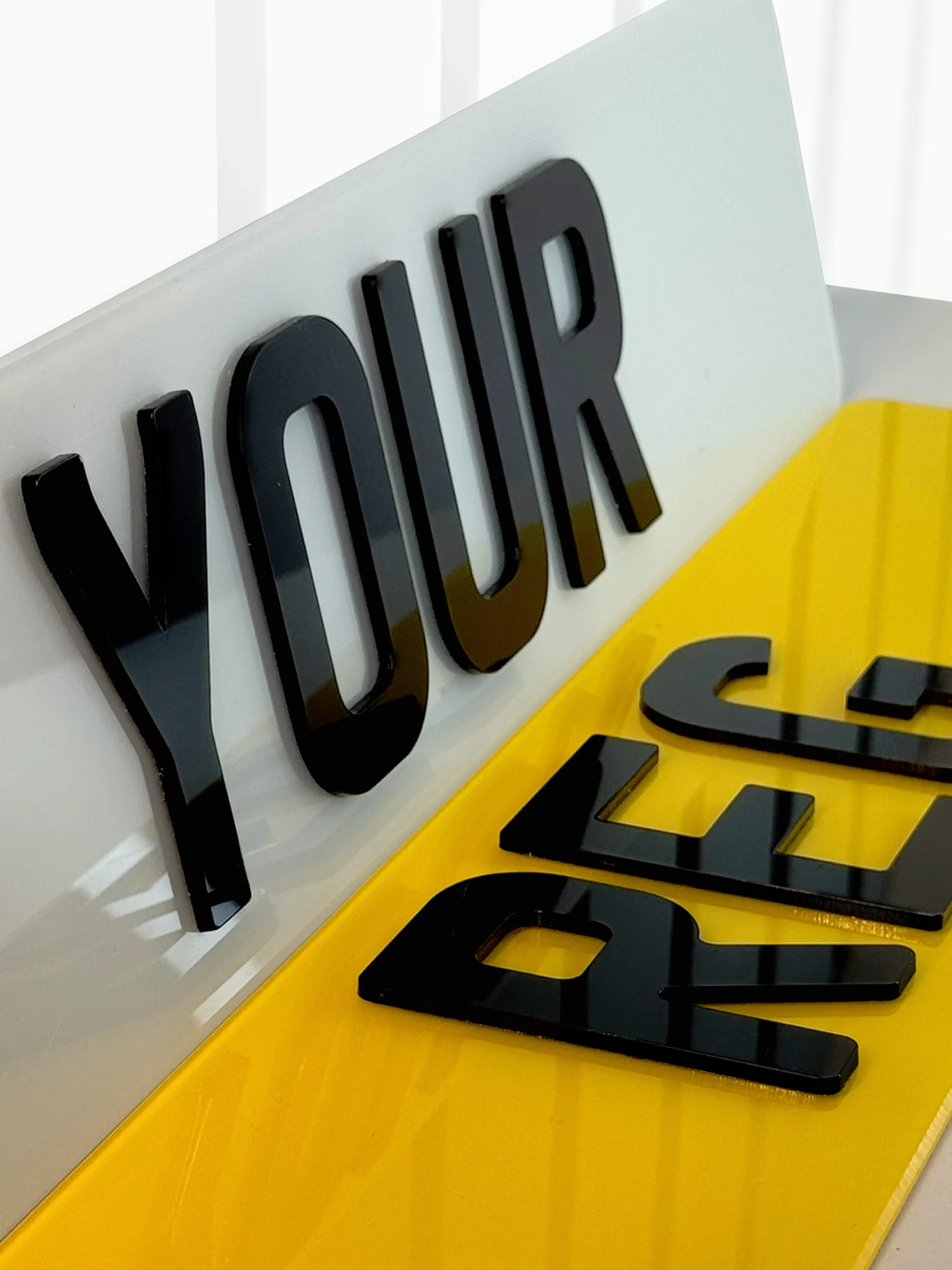 4D Plate
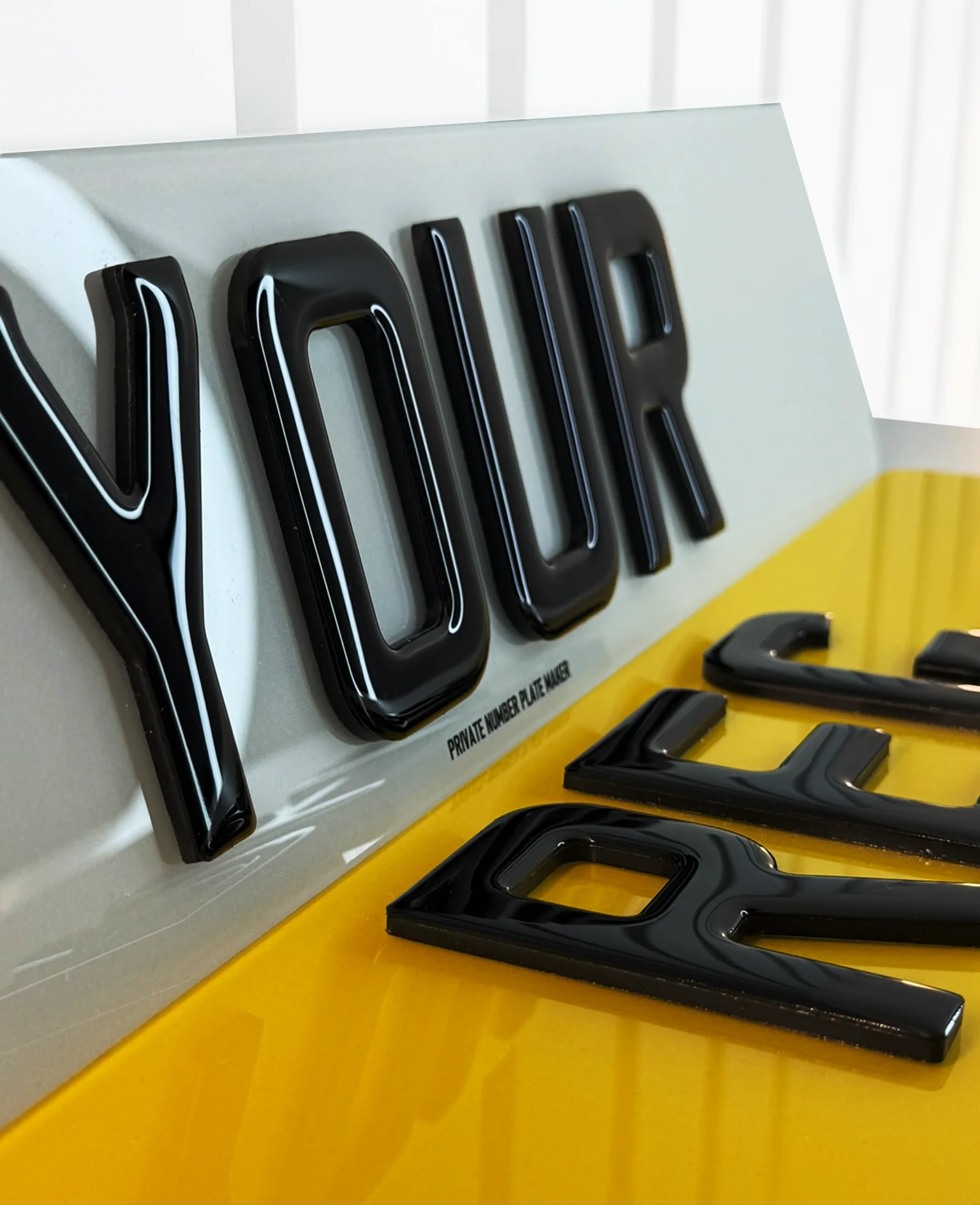 5D Plate
 Ghost
Ghost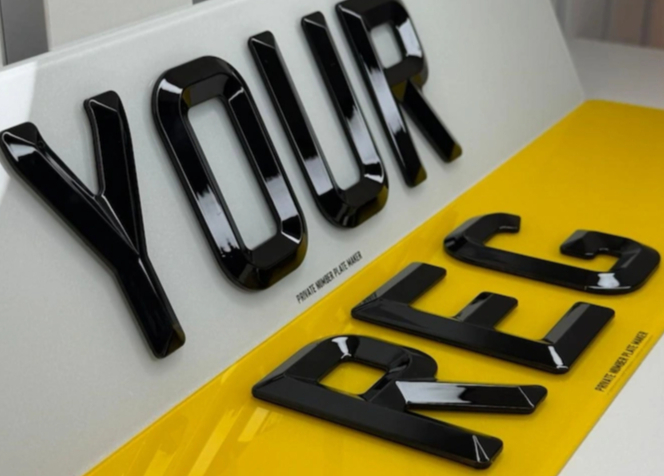 Bevel
BevelNumber Plate Maintenance: Keeping Your Plates Legal & Legible

Summary
Proper number plate maintenance is essential for legal compliance and MOT pass requirements, as plates must remain clearly legible with all characters visible at all times under the Road Vehicles (Display of Registration Marks) Regulations 2001. Regular cleaning with mild car shampoo and soft microfiber cloths keeps plates legible without damaging the reflective surface or BS AU 145e coating.
Neglected plates can result in MOT failure, fines up to £1,000, and enforcement action if characters become obscured by dirt, damage, or fading. Premium plates (3D, 4D, 5D) require additional care to protect raised characters and gel coatings from damage during cleaning.
Why Number Plate Maintenance Matters for Compliance
Number plate maintenance is not just about appearance - it is a legal requirement with enforcement consequences.
Legal Requirements for Plate Condition
Road Vehicles Regulations 2001:
- Regulation 16 requires plates to be clearly visible and legible
- Characters must not be obscured by dirt, damage, or modifications
- Reflective surface must remain functional
- BS AU 145e marking must remain visible
MOT Inspection Requirements:
- Plates checked at every MOT test
- Illegible plates result in automatic failure
- Damage affecting readability must be repaired
- Obscured characters require plate replacement
Enforcement Consequences:
- Fine up to £1,000 per offence
- Vehicle seizure in serious cases
- Insurance complications if plates questioned
- ANPR readability compromised
How Poor Maintenance Affects Compliance
| Issue | Compliance Impact | Enforcement Risk |
|---|---|---|
| Dirt/grime buildup | Characters obscured | MOT failure |
| Faded characters | Reduced legibility | Fine possible |
| Cracked/damaged plate | Structural failure | MOT failure |
| Obscured BS AU 145e mark | Standard not verifiable | Questioned by police |
| Gel/acrylic damage | Premium plate compromised | Replacement needed |
ANPR Readability Concerns
Why Clean Plates Matter for ANPR:
- Dirt reduces reflectivity needed for camera capture
- Obscured characters cause read failures
- Failed reads may trigger enforcement alerts
- Clean plates ensure reliable system operation
BS AU 145e Requirements:
- Reflectivity must be maintained throughout plate life
- NIR compatibility affected by surface contamination
- Weathering resistance tested but maintenance still required
- Proper cleaning preserves technical specifications
Essential Cleaning Supplies and What to Avoid
Using the right supplies protects your plates while effectively removing dirt and grime.
Recommended Cleaning Supplies
| Item | Purpose | Why It Works |
|---|---|---|
| Mild car shampoo | General cleaning | pH-neutral, safe for reflective coating |
| Microfiber cloths | Drying and polishing | Soft, non-abrasive, lint-free |
| Soft bristle brush | Stubborn dirt removal | Gentle on surface, reaches edges |
| Bucket with water | Dilution and rinsing | Proper shampoo mixing |
| Isopropyl alcohol (diluted) | Grease/tar removal | Effective on contaminants, evaporates quickly |
| Pressure washer (low setting) | Heavy dirt removal | Efficient for caked-on mud |
Products and Methods to AVOID
| Item | Problem | Potential Damage |
|---|---|---|
| Solvent-based cleaners | Dissolves reflective coating | Permanent surface damage |
| Abrasive cleaners/scouring pads | Scratches reflective surface | Reduced reflectivity |
| Stiff brushes | Damages gel/acrylic characters | 3D/4D/5D plate damage |
| Ice scrapers | Scratches and cracks surface | Plate replacement needed |
| High-pressure washer (close range) | Forces water behind plate | Corrosion and loosening |
| Petrol/diesel | Dissolves adhesives and coatings | Severe surface damage |
Premium Plate-Specific Considerations
3D Gel Plates:
- Avoid pressing directly on gel characters
- Use extra-gentle cleaning motion
- Check gel adhesion after cleaning
- No solvent contact with gel surface
4D Laser-Cut Plates:
- Clean around acrylic character edges carefully
- Avoid catching brush on character edges
- Check adhesive bonds after cleaning
- Acrylic can crack if impacted
5D Plates:
- Both gel and acrylic require care
- Dual-layer construction needs gentle approach
- Check both layers remain secure
- Most vulnerable to cleaning damage
3D Gel Number Plates Explained Guide
Step-by-Step Cleaning Instructions
Follow these detailed steps for safe and effective number plate cleaning.
Step 1: Initial Inspection
Before Cleaning:
- Examine plate for existing damage
- Note any loose characters or cracks
- Check mounting security
- Identify problem areas (heavy dirt, tar, etc.)
Documentation:
- Photograph damage before cleaning (for insurance)
- Note if replacement may be needed
- Check BS AU 145e marking visibility
- Verify all characters present
Step 2: Pre-Rinse
Loose Dirt Removal:
- Use low-pressure water spray
- Start from top, work downward
- Remove loose mud and debris
- Avoid direct spray at plate edges
Pressure Washer Guidelines:
- Minimum 30cm distance from plate
- Low pressure setting only
- Angle spray away from plate edges
- Never use rotary nozzle
Step 3: Shampoo Application
Mixing Solution:
- Fill bucket with warm water
- Add mild car shampoo per instructions
- Mix gently to create suds
- Test on small area first
Application Method:
- Dip microfiber cloth in solution
- Wring out excess water
- Apply to plate in circular motions
- Cover entire surface evenly
Dwell Time:
- Allow 2-3 minutes for stubborn dirt
- Do not let shampoo dry on surface
- Re-wet if solution starts drying
- Work in shade if possible
Step 4: Gentle Scrubbing
Standard Plates:
- Use soft microfiber cloth
- Gentle circular motions
- Focus on character areas
- Clean edges and mounting holes
Premium Plates (3D/4D/5D):
- Use extra-light pressure on characters
- Clean around raised elements carefully
- Avoid catching cloth on edges
- Check characters remain secure
Stubborn Contaminants:
- Tree sap: Use diluted isopropyl alcohol
- Tar: Apply specialist tar remover (test first)
- Bug residue: Soak with damp cloth first
- Road salt: Extra rinsing required
Step 5: Thorough Rinsing
Rinsing Process:
- Use clean water (no shampoo)
- Start from top, work downward
- Ensure all soap residue removed
- Check no water trapped behind plate
Important Areas:
- Around character edges
- Mounting hole areas
- Plate perimeter
- BS AU 145e marking
Step 6: Drying and Final Check
Drying Method:
- Use clean, dry microfiber cloth
- Pat dry rather than rubbing
- Remove all water droplets
- Check for streaks
Final Inspection:
- All characters clearly visible
- BS AU 145e marking legible
- No damage from cleaning process
- Plate securely mounted
Maintenance Schedule for Different Conditions
Different driving conditions require different maintenance frequencies.
Standard Maintenance Schedule
| Frequency | Task | Time Required |
|---|---|---|
| Weekly | Quick visual check, light wipe | 2 minutes |
| Monthly | Full clean with shampoo | 10 minutes |
| Quarterly | Deep clean, inspection | 20 minutes |
| Annually | Comprehensive check, consider replacement | 30 minutes |
Seasonal Considerations
Winter (October-March):
- Increased cleaning frequency (weekly)
- Road salt causes rapid corrosion
- Check for ice damage after freezing
- Extra rinsing after salt exposure
Spring (April-May):
- Deep clean after winter
- Check for winter damage
- Repair any corrosion early
- Prepare for MOT if due
Summer (June-August):
- Standard maintenance schedule
- Watch for bug residue buildup
- UV exposure can fade plates
- Park in shade when possible
Autumn (September-November):
- Remove fallen leaves promptly
- Tree sap more common
- Prepare for winter conditions
- Check mounting before wet weather
High-Risk Driving Conditions
| Condition | Additional Care Needed | Frequency |
|---|---|---|
| Off-road driving | Immediate clean after use | After each trip |
| Coastal areas | Salt air corrosion check | Weekly |
| Industrial areas | Chemical contamination | Twice monthly |
| Long motorway journeys | Bug removal | After journey |
| Country lanes | Mud and debris | Weekly |
Common Damage Types and When to Replace
Understanding damage types helps you decide between repair and replacement.
Damage Assessment Guide
| Damage Type | Severity | Action Required |
|---|---|---|
| Surface dirt | Minor | Clean immediately |
| Minor scratches | Minor | Monitor, clean carefully |
| Faded characters | Moderate | Plan replacement |
| Cracked substrate | Serious | Replace immediately |
| Loose characters | Serious | Replace or repair |
| Delamination | Serious | Replace immediately |
When Replacement Is Required
Mandatory Replacement:
- Characters no longer legible
- Plate cracked or broken
- Reflective coating peeling
- BS AU 145e marking destroyed
Recommended Replacement:
- Significant fading affecting readability
- Multiple loose characters
- Corrosion spreading from edges
- Before MOT if condition borderline
Optional Replacement:
- Cosmetic damage only
- Minor scratches not affecting readability
- Upgrading to premium style
- Personal preference
Repair vs Replace Decision
Repair Possible:
- Loose mounting (re-secure)
- Minor surface contamination (clean)
- Single loose character (re-adhere if possible)
- Dirty but otherwise sound
Replace Required:
- Structural damage to plate
- Multiple character issues
- Reflective coating failure
- Age-related deterioration
Premium Plate Care: 3D, 4D, and 5D Specific Guidance
Premium plates require additional care to maintain appearance and compliance.
3D Gel Plate Maintenance
Special Considerations:
- Gel resin can be damaged by harsh chemicals
- UV exposure may affect gel over time
- Characters can peel if adhesive fails
- Extra care needed around character edges
Cleaning Adjustments:
- Use lighter pressure on gel areas
- Avoid catching cloth on character edges
- Check gel adhesion after each clean
- No solvent-based products
Longevity Tips:
- Park in shade when possible
- Regular inspection of gel bonds
- Address lifting gel immediately
- Consider protective wax coating
4D Laser-Cut Plate Maintenance
Special Considerations:
- Acrylic characters can crack on impact
- Adhesive bonds may weaken over time
- Character edges can catch cleaning cloths
- UV resistance generally good
Cleaning Adjustments:
- Clean around characters carefully
- Avoid lateral pressure on characters
- Check adhesive at character bases
- Inspect for hairline cracks
Longevity Tips:
- Avoid automatic car washes (brush contact)
- Check character security monthly
- Address loose characters promptly
- Handle carefully during cleaning
5D Plate Maintenance
Special Considerations:
- Combines 3D gel and 4D acrylic characteristics
- Most complex construction requires most care
- Both layers must remain secure
- Highest maintenance requirement
Cleaning Adjustments:
- Gentlest approach of all premium types
- Extra inspection of both layers
- Check gel and acrylic bonds
- Minimum pressure on characters
Longevity Tips:
- Most vulnerable to cleaning damage
- Professional cleaning recommended
- Regular detailed inspections
- Consider warranty coverage
Legal Compliance Checklist
Ensure your plates remain legally compliant through regular checks.
Monthly Compliance Check
| Check Item | Requirement | Pass/Fail |
|---|---|---|
| Character legibility | All characters clearly visible | |
| Reflective surface | No peeling or damage | |
| BS AU 145e marking | Visible and legible | |
| Supplier details | Visible at centre-bottom | |
| Mounting security | Plate firmly attached | |
| Character security | All characters secure | |
| No obstructions | No frames covering characters | |
| Clean surface | No dirt obscuring characters |
Pre-MOT Inspection
4-6 Weeks Before MOT:
- Full plate inspection
- Deep clean both plates
- Check for any damage
- Plan replacement if needed
2 Weeks Before MOT:
- Final compliance check
- Address any issues found
- Order replacements if required
- Allow time for delivery
Day Before MOT:
- Quick clean and inspection
- Ensure plates presentable
- Check mounting secure
- Verify all markings visible
Common MOT Failures Related to Maintenance
| Issue | Failure Reason | Prevention |
|---|---|---|
| Obscured characters | Dirt/grime buildup | Regular cleaning |
| Faded plates | UV damage, age | Timely replacement |
| Cracked plates | Impact damage | Careful driving, inspection |
| Loose plates | Mounting failure | Regular security checks |
| Missing BS AU 145e | Wear or damage | Careful cleaning |
Storage and Protection When Not in Use
Proper storage protects plates when vehicles are not in regular use.
Classic Vehicle Storage
Indoor Storage:
- Cover plates to prevent dust accumulation
- Maintain moderate humidity levels
- Check periodically for condensation
- Clean before returning to road
Outdoor Storage:
- Use breathable vehicle cover
- Check plates regularly for moisture
- Clean more frequently than driven vehicles
- Consider temporary removal for long storage
Spare Plate Storage
Storage Conditions:
- Cool, dry environment
- Away from direct sunlight
- Flat storage (not bent)
- Original packaging if available
Handling:
- Clean hands when handling
- Avoid touching reflective surface
- Store in protective sleeves
- Label for easy identification
Our Quality Guarantee at Private Number Plate Maker Ltd
As a DVLA-registered manufacturer (RNPS ID: 75449), we stand behind the quality of our plates.
Manufacturing Quality
BS AU 145e Compliance:
- All materials certified to standard
- Four requirements verified (reflectivity, impact resistance, weathering, NIR)
- Weathering tested to 2,275 hours UV exposure
- Quality control on every plate
Durability Features:
- UV-resistant materials
- Weather-resistant adhesives
- Impact-resistant substrates
- Long-term colour stability
Customer Support
Maintenance Advice:
- Staff available for care questions
- Guidance on cleaning products
- Damage assessment support
- Replacement recommendations
Quality Issues:
- Manufacturing defects addressed promptly
- Replacement plates if fault confirmed
- Documentation for warranty claims
- Clear communication throughout
Our Ilford Workshop
Physical Location:
- Castleview Gardens, Ilford, East London
- Visit for in-person plate inspection
- Same-day replacement available
- Face-to-face advice
Local Service:
- Coverage across East London
- Barking, Romford, Dagenham areas
- Next-day UK delivery
- Local collection options
Frequently Asked Questions
We recommend cleaning number plates at least monthly, increasing to weekly during winter months or after off-road driving when road salt and mud accumulate. The Road Vehicles (Display of Registration Marks) Regulations 2001 require plates to remain clearly legible at all times - obscured characters can result in MOT failure or fines up to £1,000.
Avoid household cleaners, solvents, or abrasive products as they can dissolve the reflective coating and damage BS AU 145e compliance. For pressure washers, maintain a minimum 30cm distance and use low-pressure settings only, angling spray away from plate edges to prevent water ingress. Mild car shampoo with soft microfiber cloths is safest for all plate types.
Replace plates when characters are no longer clearly legible, the reflective surface is peeling or cracked, the BS AU 145e marking is destroyed, or mounting points are damaged. Fading from UV exposure, delamination, or multiple loose characters also warrant replacement.
Yes, premium plates need gentler care. For 3D gel plates, avoid pressing directly on characters and check gel adhesion after cleaning. For 4D acrylic plates, clean carefully around character edges to avoid catching cloths or cracking acrylic. 5D plates combine both materials and require the gentlest approach.
Yes, illegible plates due to dirt, grime, or damage result in automatic MOT failure under DVSA inspection criteria. Additionally, obscured characters reduce ANPR camera readability, potentially triggering enforcement alerts or failed reads. Regular cleaning with appropriate products preserves both legal compliance and enforcement system reliability.
This guide references the following official and verified sources:
Road Vehicles (Display of Registration Marks) Regulations 2001 (SI 2001/561)
www.legislation.gov.ukBritish Standards Institution - BS AU 145e:2018 Specification
knowledge.bsigroup.comMOT Inspection Manual - DVSA
www.gov.ukVehicle Excise and Registration Act 1994 - Section 42
www.legislation.gov.ukBritish Number Plate Manufacturers Association (BNMA) - Care Guidelines
www.bnma.org
Related Internal Guides:
Number Plate Fines UK Guide |
BS AU 145e Explained Guide |
Replacement Number Plates UK Buying Guide |
How ANPR Cameras Work Guide |
Number Plate Fitting Guide