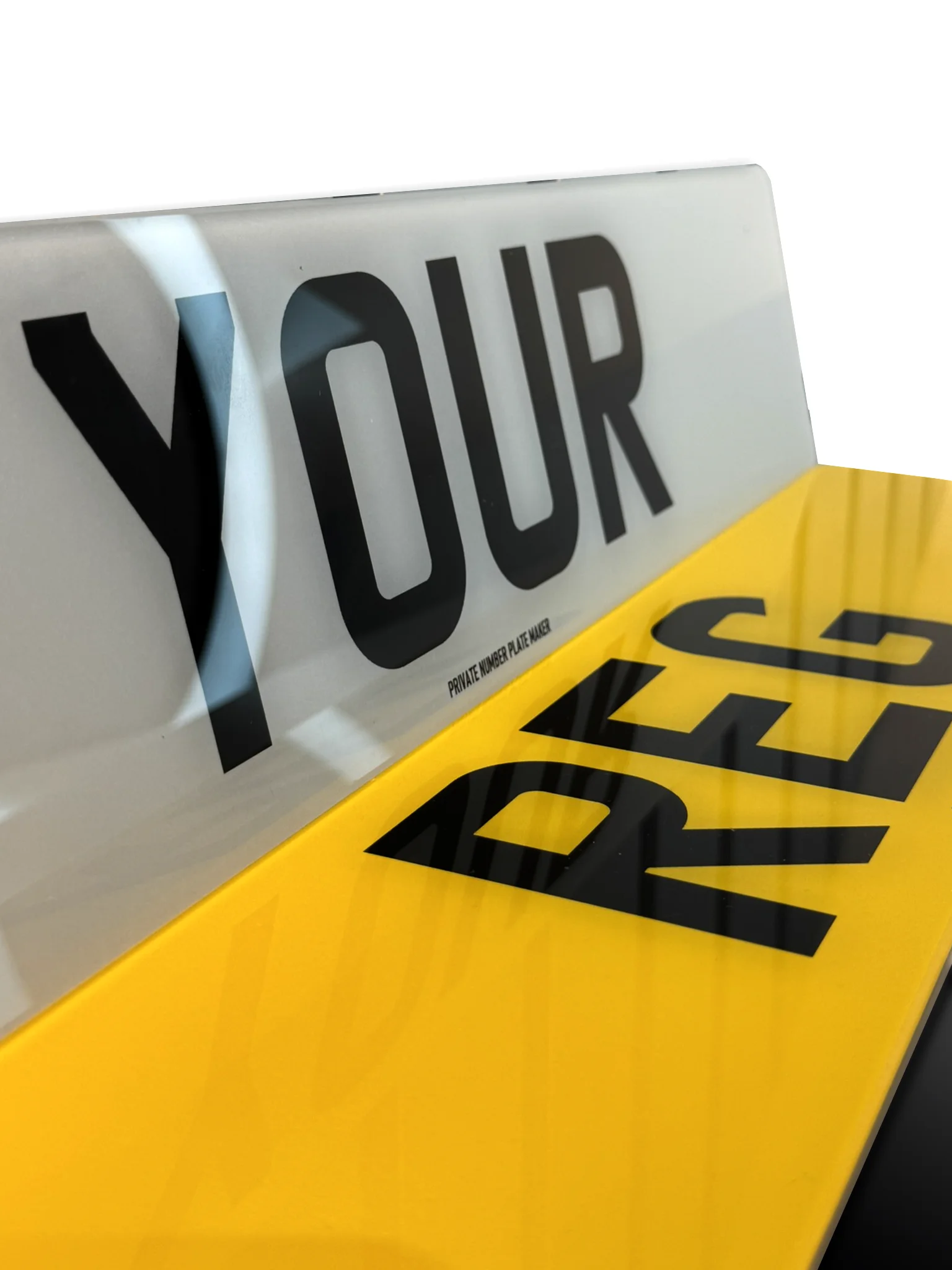
 Printed
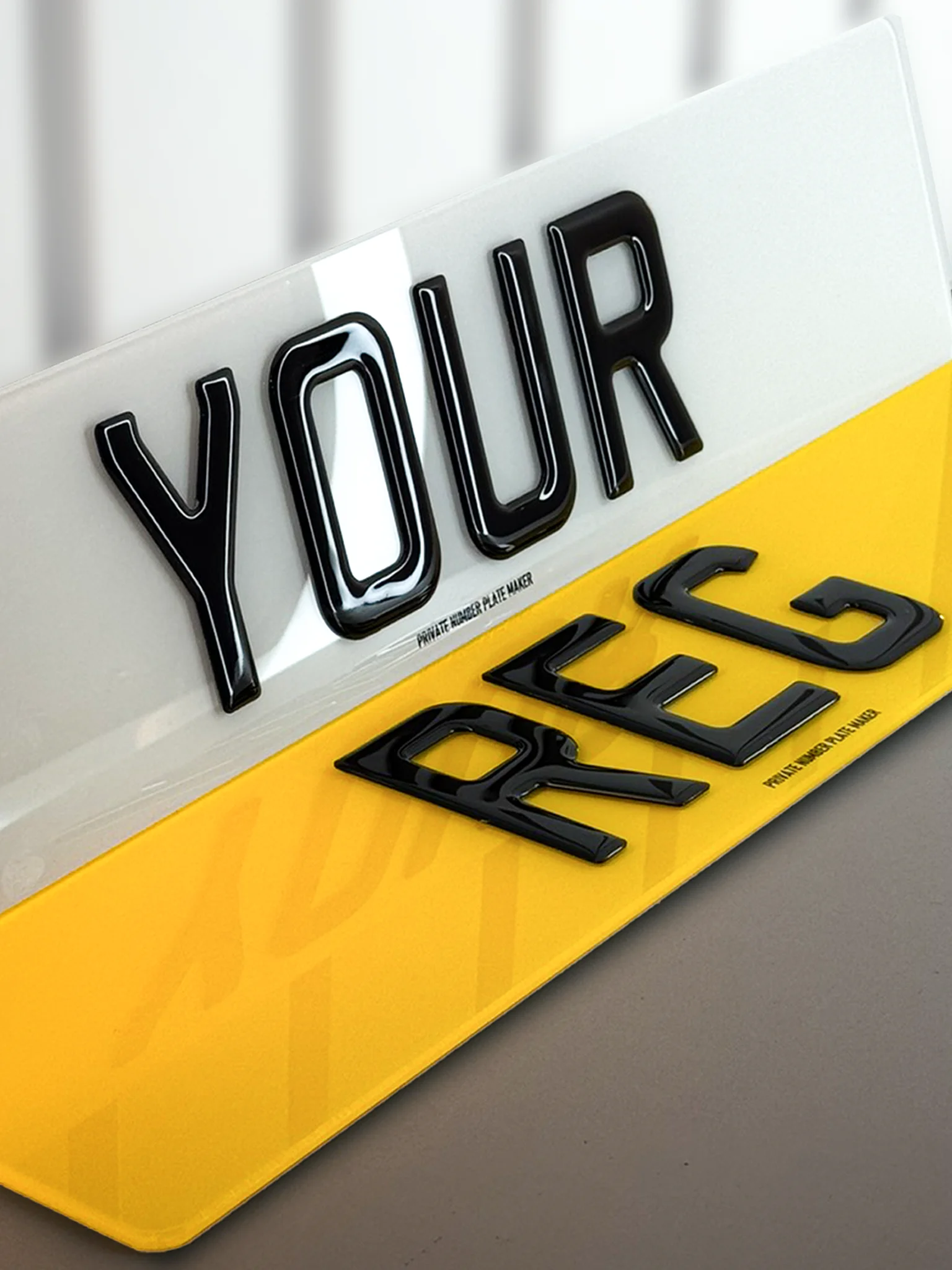 3D Plate
 4D Plate
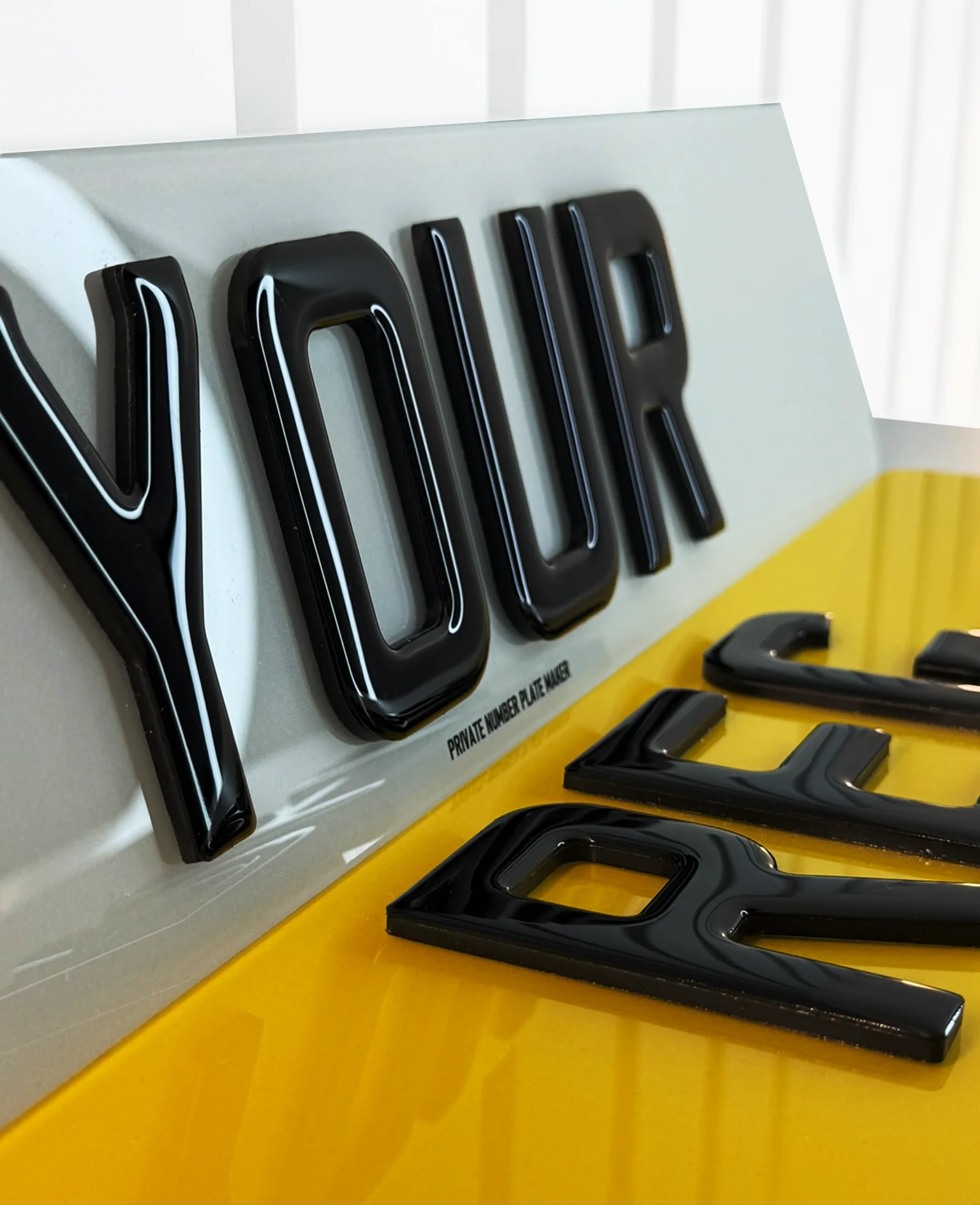 5D Plate
 Ghost
Ghost Bevel
BevelANPR Proof Plates: Why They're Illegal and How to Spot Them
Summary
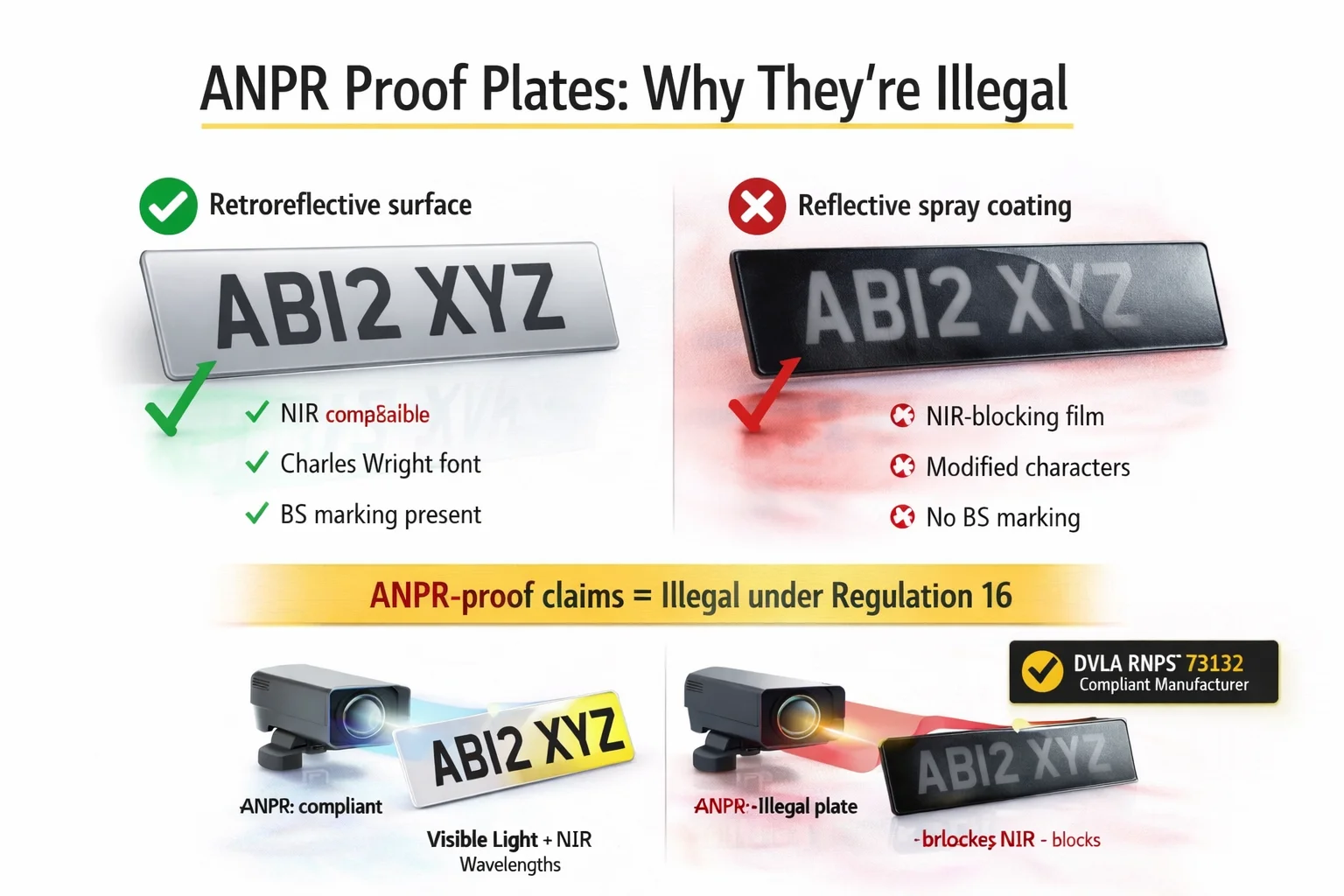
"ANPR proof" plates - also marketed as anti-ANPR, stealth, or camera-avoiding plates - are illegal in the UK. These products use reflective sprays, NIR-blocking films, or modified character designs specifically intended to interfere with Automatic Number Plate Recognition cameras. Under Regulation 16 of the Road Vehicles (Display of Registration Marks) Regulations 2001, any plate designed to evade detection breaches legal requirements for reflectivity, character formation, and material standards.
The reality is that no plate can be genuinely "ANPR proof" without breaking the law. BS AU 145e:2018 mandates that all number plates must maintain retroreflective performance and NIR compatibility to remain readable by enforcement cameras. Products claiming otherwise are either scams that do not work, or illegal modifications that carry penalties up to £1,000, MOT failure, and potential prosecution.
What Are "ANPR Proof" Plates?
"ANPR proof" is a marketing term used by illegal suppliers to describe number plates or treatments claimed to prevent Automatic Number Plate Recognition cameras from reading vehicle registrations. These products target drivers seeking to avoid speed camera enforcement, congestion charges, or vehicle tax verification.
Common Marketing Claims
Suppliers of illegal plates often use phrases such as:
- "Invisible to ANPR cameras"
- "100% ANPR proof"
- "Police camera evasion"
- "Stealth technology"
- "Reflective spray protection"
- "Transparent film shielding"
These claims are red flags. Any product marketed with evasion intent is illegal under UK law, regardless of whether the technology actually works.
The Fundamental Problem
ANPR systems used by UK police and enforcement agencies operate on multiple wavelengths:
- Visible light imaging - Standard camera capture
- Near-infrared (NIR) detection - Specialised wavelengths for retroreflective materials
- Pattern recognition algorithms - Software that identifies character shapes and spacing
For a plate to be genuinely unreadable by ANPR, it would need to block or distort all these detection methods simultaneously. Achieving this requires modifications that directly violate BS AU 145e:2018 and the Road Vehicles Regulations 2001.
Techniques Used in Illegal "ANPR Proof" Plates
Understanding the methods used to create illegal plates helps you identify and avoid them.
Reflective Sprays and Coatings
How They Claim to Work
Sprays are applied over number plates to create a matte or altered reflective surface that supposedly reduces camera detection.
Why They Fail and Are Illegal
- BS AU 145e:2018 requires specific retroreflective performance that sprays disrupt
- NIR wavelengths used by ANPR cameras penetrate most surface coatings
- Sprays often wear unevenly, creating inconsistent reflectivity that triggers ANPR alerts
- Application of any coating that reduces reflectivity breaches Regulation 16 of the Road Vehicles Regulations 2001
NIR-Blocking Films
How They Claim to Work
Transparent or tinted films are applied to block near-infrared wavelengths while maintaining visible appearance.
Why They Fail and Are Illegal
- Modern ANPR systems use multi-spectrum detection that identifies film interference
- Films that block NIR inherently fail BS AU 145e:2018 NIR compatibility requirements
- Application of films constitutes modification of certified materials, voiding compliance
- Marketing films as "ANPR-blocking" provides evidence of illegal intent
Modified Character Designs
How They Claim to Work
Characters are altered with subtle spacing changes, font variations, or decorative elements intended to confuse pattern recognition software.
Why They Fail and Are Illegal
- ANPR algorithms are trained on millions of plate images and detect anomalies
- Any deviation from the mandatory breaches regulations
- Incorrect character dimensions (79mm height, 50mm width, 11mm spacing) render plates illegal regardless of intent
- Decorative elements that obscure characters breach Regulation 13 of the Road Vehicles Regulations 2001
Substrate Substitution
How They Claim to Work
Non-reflective or low-reflectivity materials are used instead of BS AU 145e:2018 certified substrates.
Why They Fail and Are Illegal
- Non-certified materials fail the fundamental reflectivity requirement
- ANPR cameras flag plates with inconsistent or absent retroreflection
- Using non-compliant substrates breaches Regulation 16 and voids legal road use
Why "ANPR Proof" Plates Are Illegal: The Legal Framework
The illegality of ANPR-evading plates is anchored in specific UK regulations, not general principles.
Road Vehicles (Display of Registration Marks) Regulations 2001
Regulation 13: Character Requirements
Mandates that characters must be:
- Formed in the prescribed font (Charles Wright)
- Of specified dimensions and spacing
- Unobscured and clearly visible
Any modification to confuse recognition systems breaches this regulation.
Regulation 16: Material Requirements
Requires that number plates must:
- Be made of reflective material
- Meet performance standards for retroreflection
- Not be treated with substances that reduce reflectivity
Sprays, films, or coatings that interfere with reflectivity directly violate this regulation.
BS AU 145e:2018 British Standard
This standard mandates four critical requirements:
- Retroreflectivity - Plates must reflect light back to its source for camera and driver visibility
- Impact Resistance - Materials must withstand stone chips and minor impacts
- Weathering - Plates must resist fading, cracking, or deterioration from environmental exposure
- NIR Compatibility - Materials must be detectable by near-infrared wavelengths used by ANPR
Any product claiming to block ANPR inherently fails the NIR compatibility requirement, making it non-compliant with BS AU 145e:2018.
Vehicle Excise and Registration Act 1994
Section 42 provides enforcement powers and penalties for non-compliance:
- Fixed Penalty Notice: £100
- Prosecution in magistrates' court: Fine up to level 3 (currently £1,000)
- Potential vehicle seizure under Section 165A of the Road Traffic Act 1988 if insurance or tax cannot be verified
How ANPR Actually Works: Debunking the Myths
Understanding ANPR technology helps explain why "proof" claims are misleading.
Multi-Spectrum Detection
Modern ANPR cameras do not rely on a single detection method:
Visible Light Imaging
- Captures standard photographic image of the plate
- Uses high-resolution sensors and controlled lighting
- Detects character shape, spacing, and font
Near-Infrared (NIR) Detection
- Emits NIR wavelengths (typically 700-1000nm)
- BS AU 145e:2018 materials are engineered to reflect these wavelengths
- NIR reflection is often more reliable than visible light in poor conditions
Pattern Recognition Algorithms
- Software trained on millions of plate images
- Identifies characters even with partial obscuration, dirt, or angle variation
- Flags anomalies for human review
Why "Evasion" Claims Fail
Claim: "Sprays make plates invisible"
Reality: Sprays that reduce reflectivity trigger ANPR alerts for "low reflectivity" or "unreadable plate", prompting officer attention.
Claim: "Films block NIR detection"
Reality: Multi-spectrum systems detect the absence of expected NIR reflection as an anomaly, flagging the vehicle for inspection.
Claim: "Modified fonts confuse software"
Reality: ANPR algorithms detect font anomalies and spacing irregularities, often with higher confidence than standard reads.
Claim: "It works in testing"
Reality: Controlled tests do not replicate real-world ANPR networks with multiple camera angles, lighting conditions, and algorithm updates.
The Self-Defeating Nature of Evasion Attempts
Plates designed to evade ANPR often:
- Trigger more scrutiny than compliant plates
- Fail consistently across different camera systems
- Provide evidence of illegal intent if inspected
- Result in penalties that far exceed any perceived benefit
How to Spot Illegal "ANPR Proof" Plates
Use this checklist to identify and avoid illegal products.
Supplier Red Flags
-
No
Marketing Language
"ANPR proof", "invisible to cameras", "police evasion", "100% stealth", "camera blocking technology", guarantees of non-detection
-
No
No Document Verification
Legitimate suppliers must verify your identity and entitlement under Schedule 2 of the Road Vehicles Regulations 2001. If a supplier does not request your V5C, V750, or other documents, they are operating illegally.
-
No
No RNPS Registration
Ask for the supplier's Registered Number Plate Supplier ID. Our RNPS ID is 75449. Unregistered suppliers cannot legally manufacture plates for road use.
-
No
Social Media Only
Suppliers operating exclusively through Instagram, Facebook, WhatsApp, or unverified websites lack accountability and traceability.
-
No
Prices Significantly Below Market
Legal plates require certified materials and proper manufacturing. Extremely low prices indicate corner-cutting or illegal methods.
Product Inspection Red Flags
-
Yes
Non-Reflective Appearance
Hold the plate at an angle to light. Legal plates reflect clearly. If the surface appears matte, dull, or inconsistent, it may have illegal coatings.
-
Yes
Missing BS AU 145e Marking
Compliant plates display the BS AU 145e:2018 marking, usually bottom left or centre. Absence of this marking indicates non-compliance.
-
Yes
Missing Supplier Details
Legal plates must show the manufacturer's name, postcode, and RNPS ID. Missing details suggest illegal production.
-
Yes
Unusual Font or Spacing
Characters must use the Charles Wright font with standard dimensions. Decorative fonts, narrow spacing, or altered characters are illegal.
-
Yes
Visible Films or Coatings
Look for bubbles, edges, or texture changes indicating applied films or sprays. These modifications void compliance.
Simple Tests You Can Perform
Reflectivity Test
In a dimly lit area, shine a torch or phone light at the plate from the angle a camera would view it. A compliant plate will reflect light clearly back toward the source. Illegal coatings often scatter or absorb light.
ANPR Test
Drive through a known ANPR location (car park entry, toll booth, speed camera zone). If the system consistently fails to read your plate while reading others, this may indicate non-compliance.
Documentation Check
Request certification that materials meet BS AU 145e:2018. Legitimate manufacturers can provide batch certification or supplier documentation.
Risks of Buying or Using "ANPR Proof" Plates
The consequences of illegal plates extend beyond simple fines.
Financial Penalties
Fixed Penalty Notice: £100
Issued on the spot for non-compliant plates. No court appearance required, but must be paid within 28 days.
Court Prosecution: Up to £1,000
Under Section 42 of the Vehicle Excise and Registration Act 1994, prosecuted cases can result in fines up to level 3 on the standard scale, plus court costs and victim surcharge.
Additional Costs
- Retest fees after MOT failure (£20-£60)
- Vehicle recovery and storage if seized (£150-£300)
- Legal representation if contesting charges
- Increased insurance premiums following conviction
MOT Failure
Vehicles fitted with illegal plates automatically fail MOT inspection under the "Registration Plates" item. Consequences include:
- Inability to drive legally except to pre-booked repairs
- Cannot renew vehicle tax without valid MOT
- Insurance may be invalidated
- Vehicle cannot be sold with valid MOT
Vehicle Seizure
Under Section 165A of the Road Traffic Act 1988, police can seize vehicles when:
- Insurance cannot be verified due to unreadable plates
- Road tax cannot be confirmed via ANPR
- Criminal use is suspected
Release requires proof of compliance, valid documentation, and payment of recovery fees.
Criminal Record Implications
Conviction for number plate offences results in a criminal record, which may affect:
- Employment in regulated sectors (transport, security, finance)
- Travel visas to countries requiring criminal record disclosure
- Professional licensing applications
- Future insurance applications and premiums
Proposed Penalty Points
The Department for Transport has consulted on introducing 6 penalty points for deliberate number plate offences. If enacted:
- Points would be added to driving licence
- Could trigger "totting up" disqualification for drivers with existing points
- New drivers (under 2 years) face licence revocation at 6 points
The Scam Factor: Many "ANPR Proof" Products Do Not Work
Beyond illegality, many products marketed as "ANPR proof" simply do not function as claimed.
Why Evasion Products Often Fail
- ANPR System Updates: Camera networks receive regular software updates that improve detection of evasion techniques. A product that "worked" last month may fail today.
- Multi-Angle Detection: Vehicles pass multiple cameras from different angles. A coating that works from one perspective may fail from another.
- Environmental Factors: Rain, dirt, temperature changes, and UV exposure degrade sprays and films, reducing any evasion effect while maintaining illegality.
- Algorithm Sophistication: Pattern recognition systems are trained to identify anomalies. Attempts to confuse software often create more detectable irregularities.
Consumer Protection Issues
Purchasing illegal plates carries additional risks:
- No Recourse for Defective Products: Illegal suppliers operate outside consumer protection laws. If a product fails or causes penalties, you have no legal recourse.
- Data Privacy Risks: Unverified suppliers may collect and misuse your personal information, vehicle details, and payment data.
- Identity Theft Exposure: Suppliers that do not verify documents may be involved in broader fraud operations. Providing your V5C or licence details to unregistered sellers creates identity theft risks.
Legal Alternatives: Compliant Plates That Look Great
You do not need illegal plates to achieve a sophisticated appearance. Legal options provide aesthetic appeal without the risks.
Legal Ghost Plates
Legal ghost plates use BS AU 145e:2018 certified materials with subtle grey gradient effects achieved through approved printing techniques. They maintain:
- Full ANPR readability
- Correct Charles Wright font
- Standard character dimensions
- Required markings and supplier details
Premium 3D, 4D, and 5D Plates
These legal premium options offer raised characters, laser-cut acrylic, or dual-layer construction while meeting all regulatory requirements:
- BS AU 145e:2018 certified substrates
- Correct font and dimensions
- Full ANPR compatibility
- MOT compliance guaranteed
Custom Finishes Within Regulations
Legal customisation options include:
- Border styles (national flags, EU identifiers where eligible)
- Font size variations within permitted ranges
- Approved colour combinations for specific vehicle types
- Green flash for eligible electric vehicles
Our Manufacturing Guarantee
At Private Number Plate Maker Ltd (RNPS ID: 75449), we manufacture only compliant plates at our Ilford workshop. Every plate:
- Uses BS AU 145e:2018 certified materials
- Displays correct Charles Wright font and dimensions
- Includes required BS marking and supplier details
- Is verified against your entitlement documents
- Is guaranteed MOT-compliant and legal for road use
We offer same-day collection from our Ilford workshop and next-day UK delivery.
Frequently Asked Questions
Yes, "ANPR proof" plates are illegal under Regulation 16 of the Road Vehicles (Display of Registration Marks) Regulations 2001. Any plate designed to evade Automatic Number Plate Recognition cameras breaches requirements for retroreflectivity and BS AU 145e:2018 compliance. Products marketed as "invisible to cameras" or using NIR-blocking films violate legal standards for character formation and material performance. As a DVLA-registered manufacturer (RNPS ID: 75449), we only produce plates meeting all UK regulations. BS AU 145e Explained →
Check for missing BS AU 145e:2018 markings, absent supplier details (name, postcode, RNPS ID), or non-reflective surfaces that appear matte or dull. Illegal plates may use modified Charles Wright fonts, incorrect character spacing, or visible films/coatings. Legitimate suppliers must verify your V5C or V750 documents under Schedule 2 of the Road Vehicles Regulations 2001. If a seller doesn't request documentation or lacks RNPS registration, avoid them. DVLA Document Requirements →
Non-compliant plates can result in a £100 Fixed Penalty Notice, or prosecution with fines up to £1,000 under Section 42 of the Vehicle Excise and Registration Act 1994. Vehicles may fail MOT inspection, and police can seize vehicles under Section 165A of the Road Traffic Act 1988 if insurance or tax cannot be verified. Convictions may create criminal records affecting employment or insurance. Always source plates from DVLA-registered suppliers like ours (RNPS ID: 75449). Number Plate Fines UK →
No legitimate product can reliably block ANPR without breaking the law. Modern ANPR systems use multi-spectrum detection (visible light and near-infrared wavelengths). Sprays or films that reduce reflectivity breach BS AU 145e:2018 NIR compatibility requirements and often trigger "low reflectivity" alerts, drawing more police attention. Additionally, environmental factors degrade these coatings, while algorithm updates improve detection. For compliant aesthetic options, explore our legal ghost plates or premium 3D/4D ranges. Legal Ghost Plates UK →
This guide references the following official and verified sources:
Road Vehicles (Display of Registration Marks) Regulations 2001
legislation.gov.ukVehicle Excise and Registration Act 1994, Section 42
legislation.gov.ukRoad Traffic Act 1988, Section 165A
legislation.gov.ukBritish Standards Institution: BS AU 145e:2018
knowledge.bsigroup.comMOT Inspection Manual
gov.ukDepartment for Transport consultations on number plate enforcement
www.gov.uk