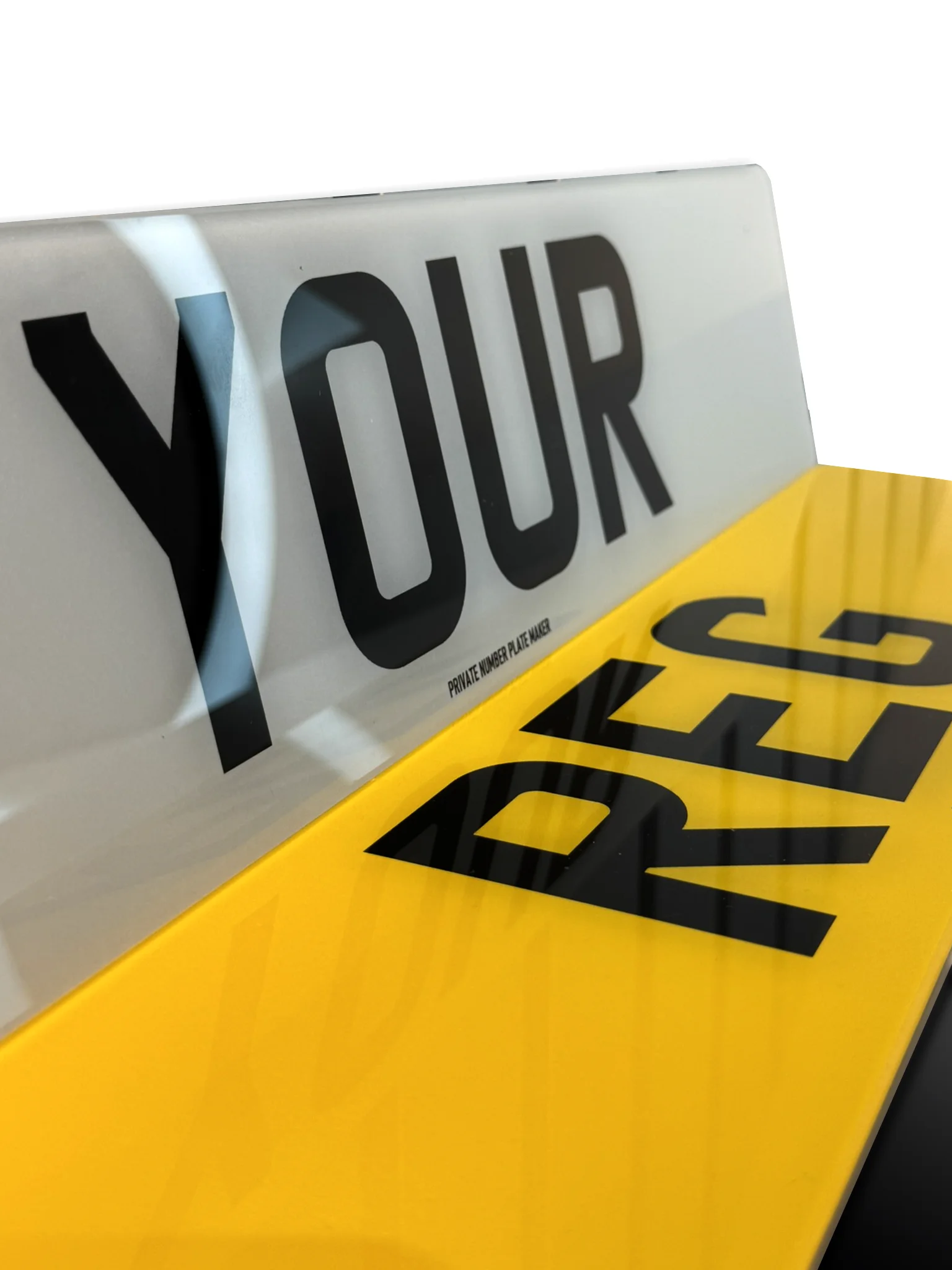
 Printed
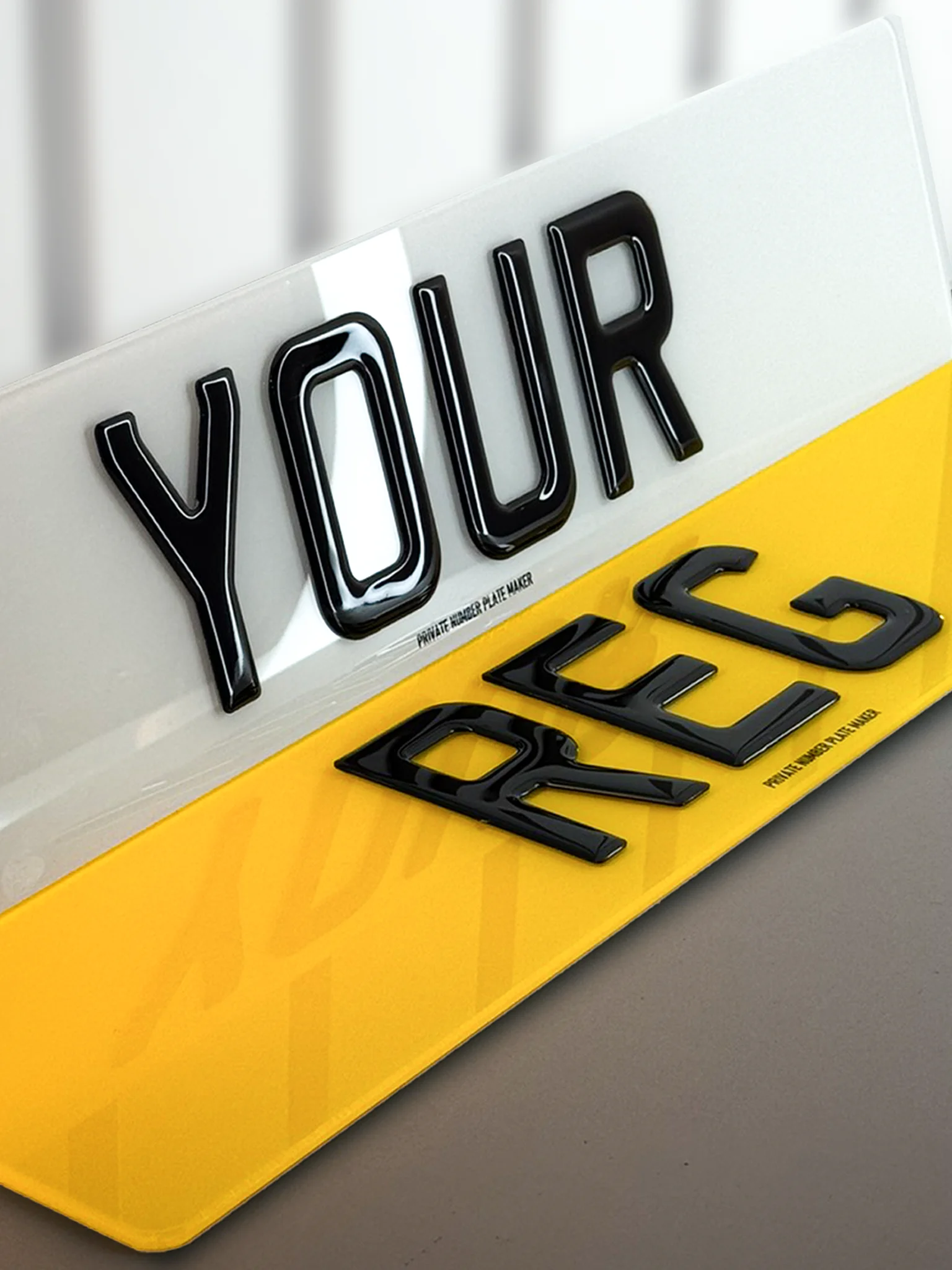 3D Plate
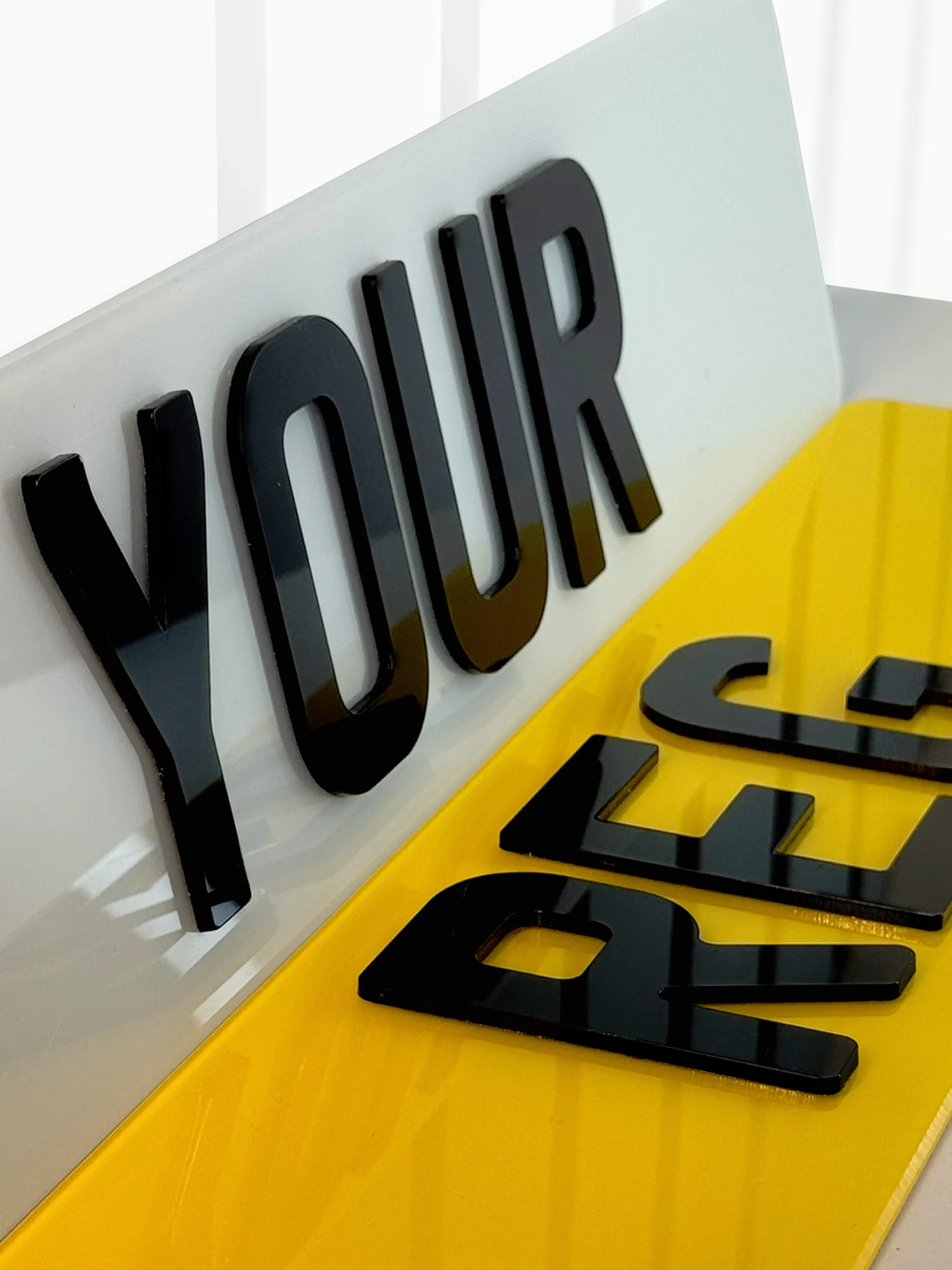 4D Plate
 5D Plate
 Ghost
Ghost Bevel
BevelDo 3D Plates Work with ANPR Cameras? The Definitive Guide
Summary
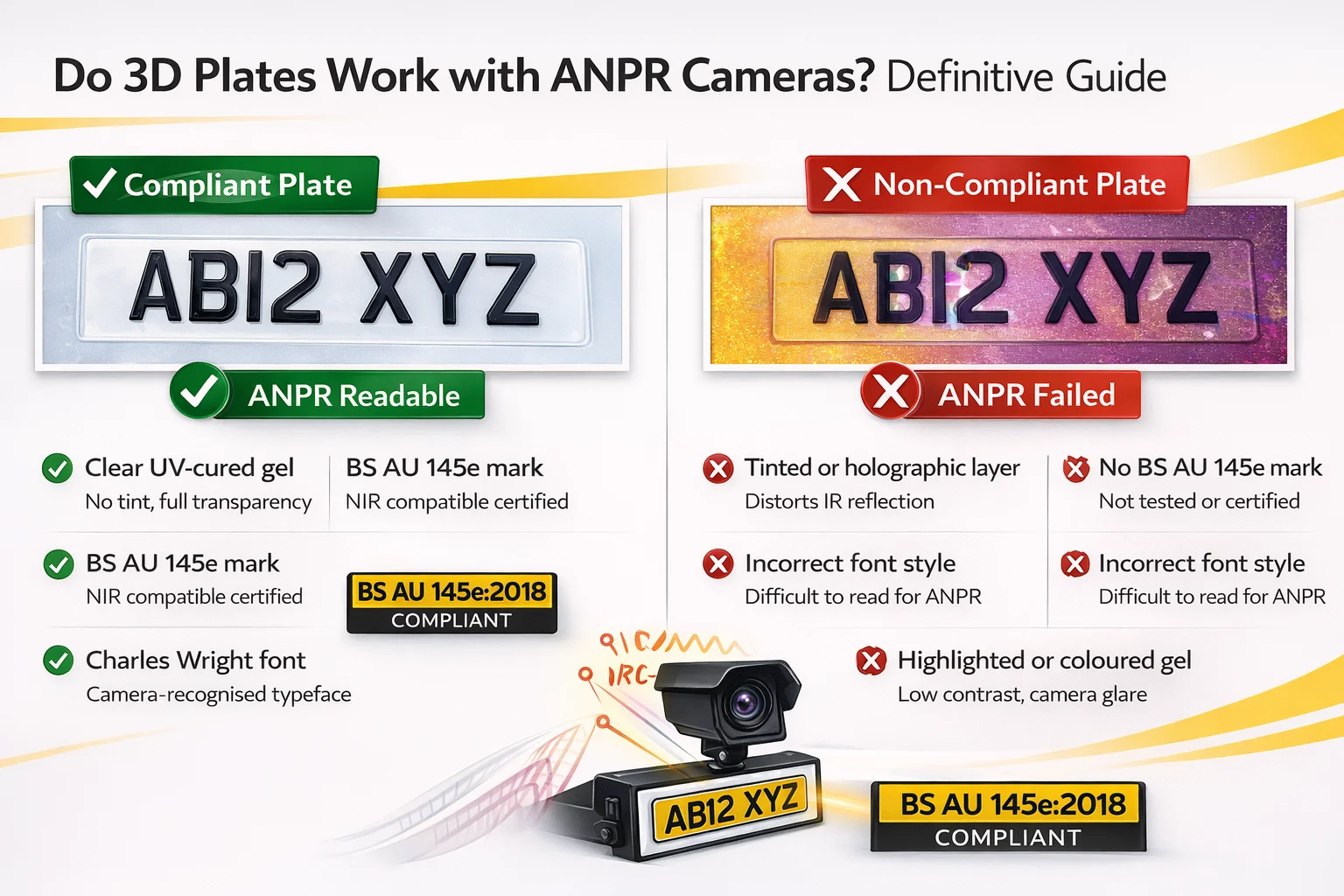
Yes, compliant 3D gel number plates work perfectly with ANPR (Automatic Number Plate Recognition) cameras throughout the UK when manufactured to BS AU 145e:2018 standards. The clear UV-cured resin gel used on legal 3D plates does not interfere with camera readability because it maintains the NIR (Near Infrared) compatibility required by the British Standard, allows the solid black characters to show through without tinting, and preserves the reflective substrate functionality that ANPR systems depend on.
3D Gel Number Plates Explained Guide
At Private Number Plate Maker Ltd, we manufacture every 3D gel plate on-site at our Ilford workshop using BS AU 145e-certified materials and verify all required documents before production as a DVLA-registered supplier (RNPS ID: 75449). Our plates undergo quality checks to ensure NIR compatibility, correct Charles Wright 2001 font, proper character spacing, and appropriate reflectivity levels that all contribute to reliable ANPR camera performance.
The Short Answer: Yes, Compliant 3D Plates Are ANPR Readable
3D gel number plates are fully compatible with ANPR camera systems when they meet all legal requirements. The key factors that ensure ANPR readability are:
- YesClear UV-cured gel (no tint or colouring)
- YesSolid black characters underneath the gel
- YesBS AU 145e:2018 NIR compatibility certification
- YesCharles Wright 2001 mandatory font
- YesCorrect character spacing and dimensions
- YesProper reflective substrate
ANPR failures occur only with non-compliant plates that have reflective coatings, tinted gel, wrong fonts, or damaged characters - not with properly manufactured 3D gel plates from DVLA-registered suppliers.
How ANPR Cameras Read Number Plates
The Technology Behind ANPR Systems
ANPR (Automatic Number Plate Recognition) cameras use a combination of visible light and Near Infrared (NIR) technology to capture and read vehicle registrations. Understanding this process explains why plate compliance matters:
ANPR Capture Process:
- Camera detects vehicle entering frame
- Infrared illuminators activate (invisible to human eye)
- Plate reflects infrared light back to camera sensor
- Software processes image and extracts characters
- Optical Character Recognition (OCR) converts to text
- Database check performed (DVLA, insurance, MOT, etc.)
Why NIR Compatibility Matters
The Near Infrared spectrum (700-1000 nanometres wavelength) is critical for ANPR because:
- Works in all lighting conditions (day, night, tunnels)
- Not affected by headlight glare
- Penetrates light rain and fog better than visible light
- Provides consistent contrast for character recognition
- Required by BS AU 145e:2018 standard
BS AU 145e NIR Requirements:
- Plate materials must reflect infrared light appropriately
- Characters must absorb infrared (appear dark to camera)
- Background must reflect infrared (appears bright to camera)
- Gel coatings must not block infrared transmission
This is why the clear gel on compliant 3D plates does not interfere - it allows infrared light to pass through to the black characters and reflective background.
Why Compliant 3D Gel Plates Pass ANPR Checks
Clear Gel Transparency
Legal 3D gel plates use clear UV-cured resin that does not tint or colour the underlying black characters. This transparency is essential for ANPR because:
- Infrared light passes through clear gel without scattering
- Black characters remain high-contrast to camera sensors
- No colour distortion affects OCR accuracy
- Reflective substrate functions normally through gel layer
What Makes Gel "Clear":
- No added pigments or dyes
- Proper UV curing prevents yellowing
- Consistent thickness across all characters
- No reflective particles in gel formulation
UV Curing Process 3D Gel Plates Guide
Solid Black Character Base
Underneath the clear gel, compliant 3D plates have solid black characters that absorb infrared light. This creates the contrast ANPR cameras need:
| Component | Infrared Behaviour | ANPR Camera Sees |
|---|---|---|
| Clear gel | Transparent | No interference |
| Black characters | Absorbs IR | Dark/black |
| Reflective background | Reflects IR | Bright/white or yellow |
This high contrast between characters and background enables accurate character recognition.
BS AU 145e:2018 Certification
All new number plates from 1 September 2021 must comply with BS AU 145e:2018, which specifically mandates NIR compatibility. This standard requires:
- Reflectivity - Photometric performance for visibility
- Impact Resistance - Withstands stone chips and minor impacts
- Weathering - 2,275 hours UV exposure testing
- NIR Compatibility - Near Infrared readability for ANPR
Plates carrying the BS AU 145e mark have been tested and certified to meet all four requirements, including ANPR compatibility.
Why Some 3D Plates Fail ANPR Readings
Non-Compliant Gel Coatings
ANPR failures typically occur with illegally modified plates, not compliant 3D gel plates:
Problematic Modifications:
- Reflective gel coatings that cause infrared glare
- Tinted or coloured gel reducing character contrast
- Metallic particles in gel scattering infrared light
- Thick gel application distorting character shapes
- Highlighting effects creating shadows on characters
Why These Fail:
- Infrared light scatters instead of reflecting cleanly
- Character contrast reduced below OCR threshold
- Camera cannot distinguish characters from background
- OCR software returns errors or incorrect readings
ANPR-Proof Plates Illegal Guide
Wrong Font or Spacing
ANPR systems are calibrated to recognise the Charles Wright 2001 font. Plates using alternative fonts may fail because:
- OCR software trained on Charles Wright character shapes
- Alternative fonts have different stroke patterns
- Character spacing affects segmentation accuracy
- Non-standard widths confuse recognition algorithms
Mandatory Font Requirements:
- Charles Wright 2001 typeface only
- 79mm character height (cars)
- 50mm character width (excluding I and 1)
- 14mm stroke thickness
- 11mm spacing between characters
Physical Damage or Contamination
Even compliant plates can fail ANPR if damaged or dirty:
Common Issues:
- Dirt, mud, or grime covering characters
- Cracked or peeling gel on characters
- Faded characters reducing contrast
- Bent or warped plates distorting character shapes
- Snow, ice, or water obscuring plate surface
Prevention:
- Regular cleaning (monthly recommended)
- Prompt repair of any damage
- Winter maintenance to remove salt and grime
- Inspection before long journeys
Technical Specifications for ANPR Compatibility
Character Dimensions (All Plate Types)
| Specification | Measurement | ANPR Relevance |
|---|---|---|
| Character height | 79mm (cars) | OCR recognition accuracy |
| Character width | 50mm (excluding I, 1) | Character segmentation |
| Stroke thickness | 14mm | Infrared absorption |
| Character spacing | 11mm | Character separation |
| Age identifier gap | 33mm | Format recognition |
| Minimum margins | 11mm | Plate edge detection |
These dimensions are mandated by the Road Vehicles (Display of Registration Marks) Regulations 2001 and optimised for ANPR readability.
Reflectivity Requirements
BS AU 145e:2018 specifies photometric performance standards that ensure plates are visible to ANPR cameras in all conditions:
Front Plates:
- White reflective background
- Black characters (infrared absorbing)
- Minimum reflectivity levels specified
Rear Plates:
- Yellow reflective background
- Black characters (infrared absorbing)
- Minimum reflectivity levels specified
3D Gel Impact:
- Clear gel does not reduce reflectivity
- Gel must not create glare or hotspots
- Reflective substrate must function through gel layer
Infrared Wavelength Specifications
ANPR cameras operate in the Near Infrared spectrum:
| Parameter | Specification | Purpose |
|---|---|---|
| Wavelength range | 700-1000 nanometres | Invisible illumination |
| Peak sensitivity | 850-940 nanometres | Optimal character contrast |
| Illumination type | Infrared LED arrays | Consistent lighting |
| Camera sensor | NIR-sensitive CCD/CMOS | Infrared capture |
Compliant 3D gel plates must not interfere with these wavelengths.
Real-World ANPR Performance Data
Where ANPR Cameras Are Used
ANPR systems are deployed across the UK for multiple purposes:
Enforcement Applications:
- Speed camera networks (fixed and mobile)
- Congestion charge zones (London, etc.)
- Clean Air Zone compliance (Bath, Birmingham, etc.)
- Vehicle tax and insurance verification
- Stolen vehicle identification
- MOT compliance checking
Private Applications:
- Car park entry/exit systems
- Gated community access
- Fleet management tracking
- Toll road payment systems
All these systems depend on reliable plate readability, making compliance essential.
Customer Feedback on 3D Plate ANPR Performance
Based on verified customer reports from DVLA-registered suppliers, compliant 3D gel plates demonstrate high ANPR success rates:
Reported Success Scenarios:
- Speed camera photos show clear registration
- Parking systems recognise plates correctly
- Congestion charge cameras capture accurately
- No fines from misread plates
- Fleet ANPR systems work properly
Reported Failure Scenarios (Non-Compliant Plates):
- Tinted gel causing recognition errors
- Damaged plates not read at barriers
- Dirty plates failing car park entry
- Wrong font rejecting at security gates
Note: Individual experiences vary based on plate compliance, camera system quality, and environmental conditions.
Legal Requirements for ANPR Readability
Road Vehicles Regulations 2001
Regulation 16 of the Road Vehicles (Display of Registration Marks) Regulations 2001 specifies that registration plates must not be treated in any way which renders the characters less easily distinguishable. This includes:
- Characters must be visible to the eye
- Characters must be visible to cameras (ANPR)
- No coatings that reduce contrast
- No modifications affecting readability
Legal Consequences:
- Plates failing this requirement are illegal
- Vehicles can fail MOT inspection
- Fixed Penalty Notices may be issued
- Repeat offences can lead to higher fines
BS AU 145e:2018 Mandatory Compliance
From 1 September 2021, all new number plates must comply with BS AU 145e:2018. This standard specifically includes NIR compatibility testing to ensure ANPR readability:
Testing Requirements:
- Plates tested for infrared reflectivity
- Character absorption measured
- Gel coatings evaluated for transparency
- Certification mark applied to compliant plates
Supplier Obligations:
- DVLA-registered suppliers must use certified materials
- RNPS identification must be visible on plates
- Records maintained for compliance audits
- Document verification before production
DVLA Document Requirements Guide
MOT Inspection Requirements
MOT testers check number plate condition and compliance as part of the inspection:
ANPR-Related Checks:
- Characters easily readable from reasonable distance
- No damage affecting legibility
- BS AU 145e mark present and visible
- Supplier identification visible
- Correct font and spacing
Failure Criteria:
- Characters not readable by eye
- Damage affecting character recognition
- Missing certification marks
- Evidence of non-compliant modifications
Plates failing these checks result in MOT failure until replaced.
How to Verify Your 3D Plates Are ANPR Compatible
Visual Inspection Checklist
Check your 3D gel plates against these criteria:
Compliant Plate Indicators:
- YesBS AU 145e:2018 mark visible on plate
- YesSupplier RNPS identification present
- YesGel is clear (no tint or colour)
- YesCharacters are solid black underneath
- YesCharles Wright 2001 font used
- YesNo highlighting or shadow effects
- YesCharacters evenly spaced
- YesNo cracks, peeling, or damage
Non-Compliant Warning Signs:
- NoGel appears coloured or tinted
- NoReflective sheen on characters
- NoMissing BS AU 145e mark
- NoNo supplier identification
- NoCharacters have highlighting effect
- NoWrong font or spacing
- NoVisible damage or deterioration
Professional Verification
If uncertain about plate compliance, consider:
- Visit DVLA-registered supplier for inspection
- Request compliance documentation from manufacturer
- Check RNPS ID against DVLA register
- MOT tester can assess during inspection
- Trading Standards can advise on concerns
Our Ilford Workshop:
- Ilford location for in-person verification
- RNPS ID: 75449 displayed on all plates
- Compliance documentation available
- Same-day replacement if issues found
Troubleshooting ANPR Reading Issues
If Your 3D Plates Fail ANPR
Follow this troubleshooting process:
Step 1: Clean the Plates
- Wash with mild soap and water
- Remove all dirt, grime, and contaminants
- Dry thoroughly with soft cloth
- Test at known ANPR location (car park, etc.)
Step 2: Inspect for Damage
- Check for cracked or peeling gel
- Look for faded or discoloured characters
- Verify plate is not bent or warped
- Confirm all characters are intact
Step 3: Verify Compliance
- Check BS AU 145e mark is present
- Confirm supplier RNPS ID visible
- Verify font is Charles Wright 2001
- Check character spacing is correct
Step 4: Contact Supplier
- Report the issue with photographs
- Request compliance documentation
- Ask about replacement if defective
- Keep records of all communications
Replacement Number Plates UK Complete Buying Guide
Common ANPR Failure Scenarios
| Scenario | Likely Cause | Solution |
|---|---|---|
| Car park barrier won't open | Dirty plate | Clean plate thoroughly |
| Speed camera photo unclear | Plate damage | Replace damaged plate |
| Congestion charge fine | Misread plate | Verify plate compliance |
| Fleet system errors | Wrong font | Order compliant replacement |
| Toll road issues | Tinted gel | Replace with clear gel plates |
Why Choose DVLA-Registered Suppliers for 3D Plates
Supplier Verification Matters
Not all number plate suppliers follow compliance requirements. DVLA-registered suppliers (RNPS) must:
- Verify customer documents before production
- Use BS AU 145e-certified materials only
- Display RNPS identification on all plates
- Maintain production records for audits
- Follow DVLA guidance for registered suppliers
Risks of Unregistered Suppliers:
- May not verify documents properly
- Could use non-compliant materials
- No RNPS ID on plates (illegal)
- Difficult to trace if issues arise
- May produce ANPR-proof plates illegally
Our Manufacturing Standards
At Private Number Plate Maker Ltd, we ensure ANPR compatibility through:
Material Control:
- BS AU 145e:2018 certified substrates only
- Clear UV-cured gel (no tint)
- Charles Wright 2001 font verified
- Reflective performance tested
Quality Checks:
- Every plate inspected before dispatch
- BS AU 145e mark applied correctly
- RNPS ID: 75449 on all plates
- Document verification completed first
Traceability:
- Production records maintained
- Batch tracking for quality issues
- Compliance documentation available
- Physical workshop for verification visits
Myths About 3D Plates and ANPR
Myth: "All 3D Plates Fail ANPR Cameras"
Fact: Compliant 3D gel plates pass ANPR checks without issue. Failures only occur with non-compliant modifications like tinted gel, reflective coatings, or wrong fonts.
Myth: "Only 2D Plates Are ANPR Safe"
Fact: Plate type (2D, 3D, 4D, 5D) does not determine ANPR compatibility. Compliance with BS AU 145e:2018 is what matters, not character depth.
Myth: "ANPR Can't Read Raised Characters"
Fact: ANPR cameras read character contrast, not surface texture. The 2mm gel depth on compliant 3D plates does not affect infrared readability.
Myth: "Gel Coatings Always Block Infrared"
Fact: Clear UV-cured gel is transparent to infrared wavelengths. Only tinted or metallic gel coatings cause interference.
Myth: "ANPR Failures Mean Plates Are Illegal"
Fact: ANPR failures can occur with compliant plates due to dirt, damage, or camera issues. Plate legality depends on manufacturing compliance, not single camera readings.
Future ANPR Technology and 3D Plates
Emerging ANPR Capabilities
ANPR technology continues to evolve:
Developments:
- Higher resolution cameras improving accuracy
- AI-powered OCR reducing errors
- Multi-spectrum imaging for all conditions
- Integration with more enforcement systems
- Real-time database checking
Impact on 3D Plates:
- Compliant plates will continue working
- Non-compliant plates easier to detect
- Enforcement becoming more sophisticated
- Compliance more important than ever
Regulatory Changes to Watch
Number plate regulations may evolve with technology:
Potential Changes:
- Stricter enforcement of existing rules
- New testing requirements for materials
- Enhanced supplier verification processes
- Higher penalties for non-compliance
- More frequent MOT plate checks
Staying Compliant:
- Purchase from DVLA-registered suppliers only
- Verify BS AU 145e:2018 certification
- Keep plates clean and undamaged
- Replace plates showing wear or damage
- Monitor DVLA announcements for changes
Frequently Asked Questions
Yes, compliant 3D gel number plates work perfectly with UK ANPR cameras when manufactured to BS AU 145e:2018 standards. The clear UV-cured resin gel maintains Near Infrared (NIR) compatibility, allowing infrared light to pass through to the solid black characters underneath. At Private Number Plate Maker Ltd, we manufacture every plate on-site at our Ilford workshop (RNPS ID: 75449) using certified materials and verify all required documents before production.
ANPR-compliant 3D plates must feature: clear UV-cured gel (no tint), solid black characters, BS AU 145e:2018 certification, Charles Wright 2001 font, correct character spacing (11mm), and reflective substrate. These specifications ensure Near Infrared compatibility required by enforcement cameras under the Road Vehicles Regulations 2001. We manufacture all plates to these standards at our DVLA-registered Ilford workshop.
ANPR failures typically occur with non-compliant plates featuring tinted gel, reflective coatings, incorrect fonts, or physical damage. Clear gel on legal 3D plates does not interfere with infrared readability. If your plate fails, clean it thoroughly and verify the BS AU 145e:2018 mark is present. For replacements, visit our DVLA-registered Ilford workshop (RNPS ID: 75449) for same-day compliant plates.
Check for the BS AU 145e:2018 mark, supplier RNPS identification, clear gel with no tint, solid black characters, and Charles Wright 2001 font. Characters should be 79mm high with 11mm spacing as required by the Road Vehicles Regulations 2001. For professional verification, visit our Ilford workshop where we offer same-day compliance checks and replacements if needed.
Yes, 3D gel plates are legal when manufactured to BS AU 145e:2018 and the Road Vehicles (Display of Registration Marks) Regulations 2001. Legality depends on compliance with material standards, font, spacing and reflectivity - not character depth. As a DVLA-registered supplier (RNPS ID: 75449), we ensure every plate meets legal requirements for both ANPR readability and road use across the UK.
This guide references the following official and verified sources:
Road Vehicles (Display of Registration Marks) Regulations 2001
Statutory instrument governing registration mark display
www.legislation.gov.ukBritish Standards Institution - BS AU 145e:2018
Specification for Retroreflecting Number Plates
knowledge.bsigroup.comBritish Number Plate Manufacturers Association (BNMA)
Industry association guidance and standards
www.bnma.orgVehicle Excise and Registration Act 1994
Primary legislation for vehicle registration
www.legislation.gov.ukDVLA INF104 Vehicle Registration Numbers and Number Plates
Official DVLA guidance document
www.gov.ukHome Office ANPR Standards and Guidance
Official ANPR technology and enforcement standards
www.gov.ukConclusion
Compliant 3D gel number plates work perfectly with ANPR cameras throughout the UK when manufactured to BS AU 145e:2018 standards. The clear UV-cured resin gel maintains NIR compatibility, allowing infrared light to pass through to solid black characters while preserving reflective substrate functionality.
Key compliance factors include: clear untinted gel, Charles Wright 2001 font, correct dimensions and spacing, BS AU 145e certification, and proper reflective materials. ANPR failures occur only with non-compliant modifications, not with properly manufactured 3D plates from DVLA-registered suppliers.
At Private Number Plate Maker Ltd (RNPS ID: 75449), we manufacture every plate on-site at our Ilford workshop with full document verification and quality checks to ensure reliable ANPR performance and legal compliance for UK road use.
Number Plate Fitting Guide | Premium Number Plates Worth Investment Guide