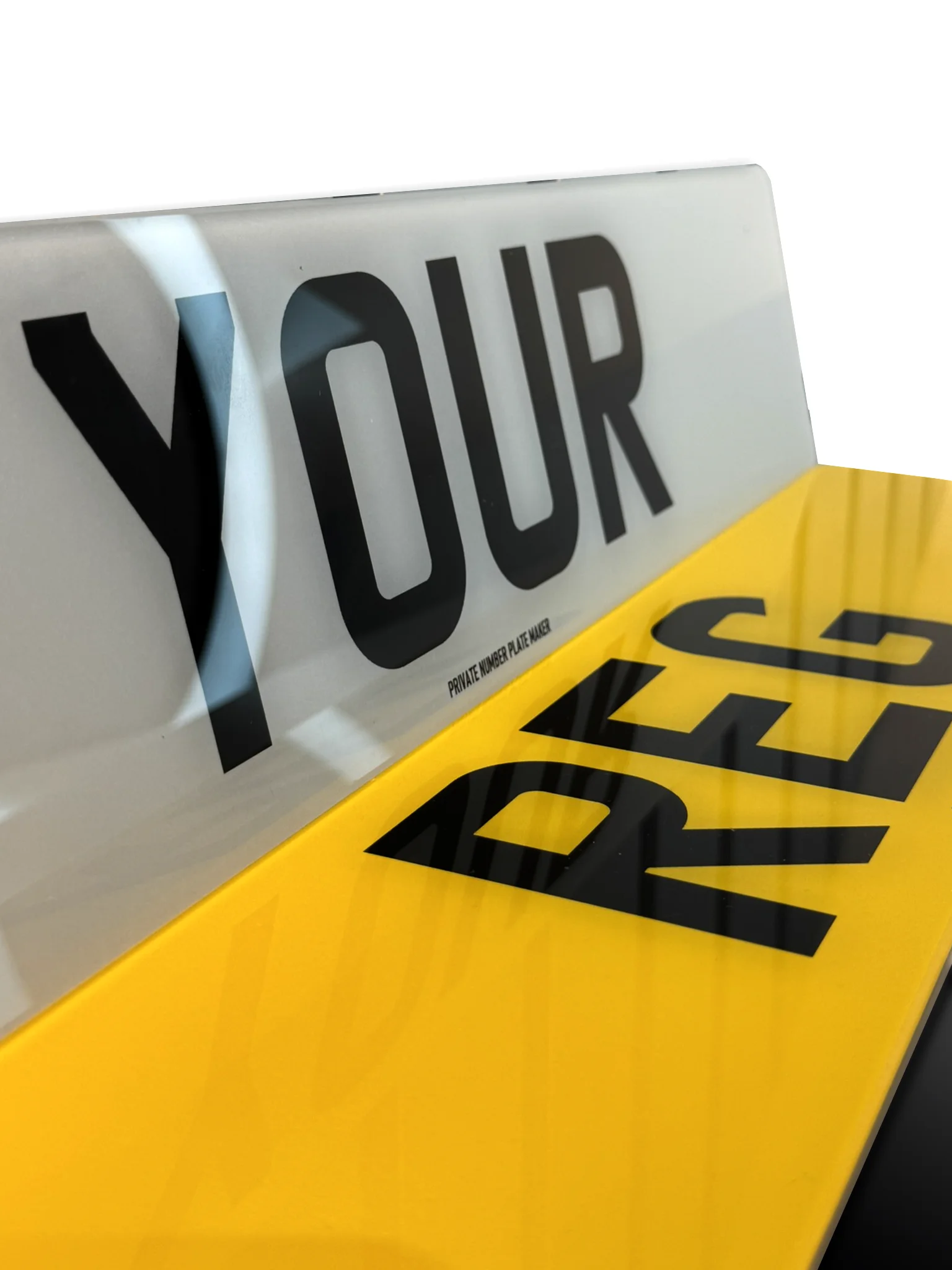
 Printed
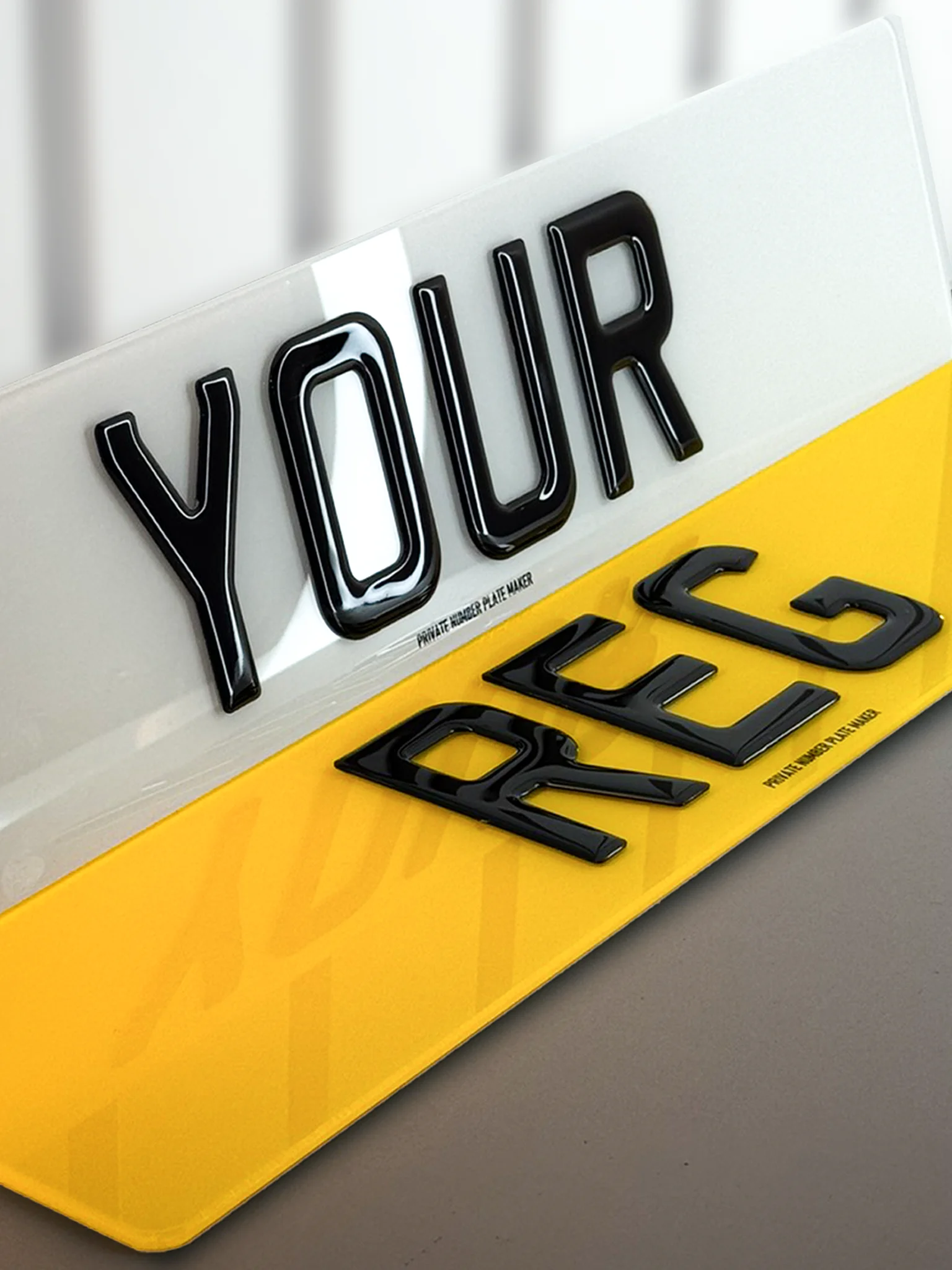 3D Plate
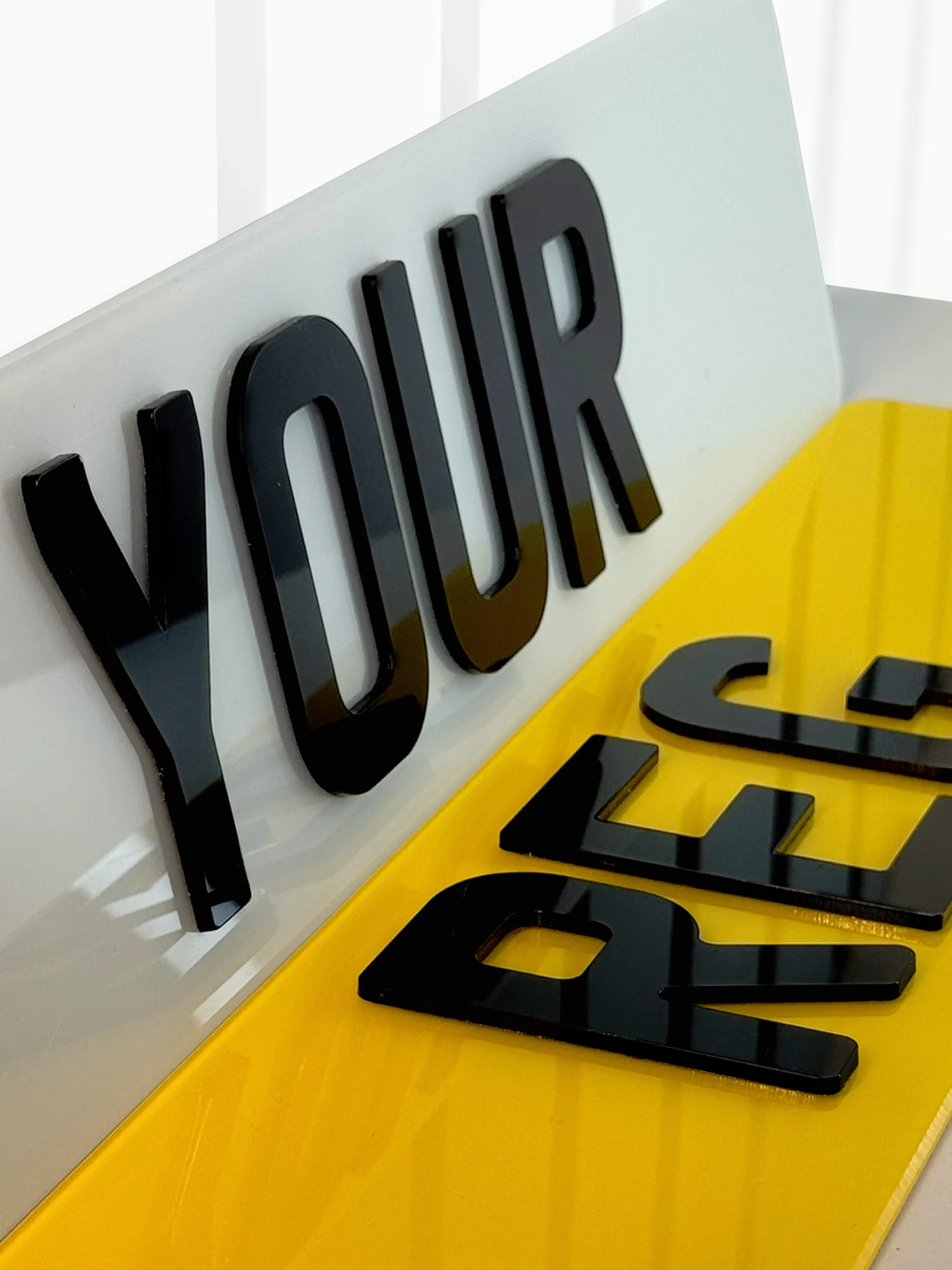 4D Plate
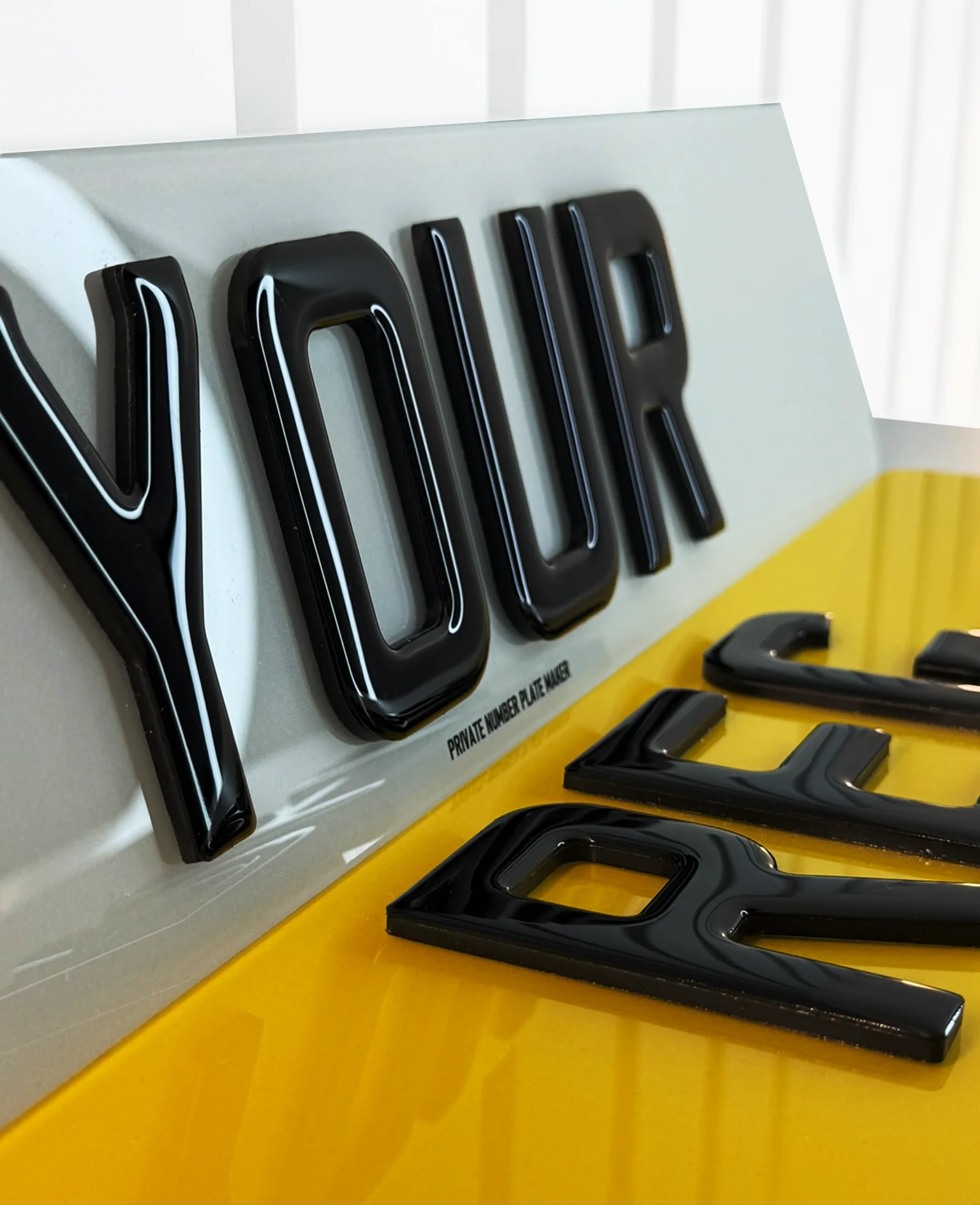 5D Plate
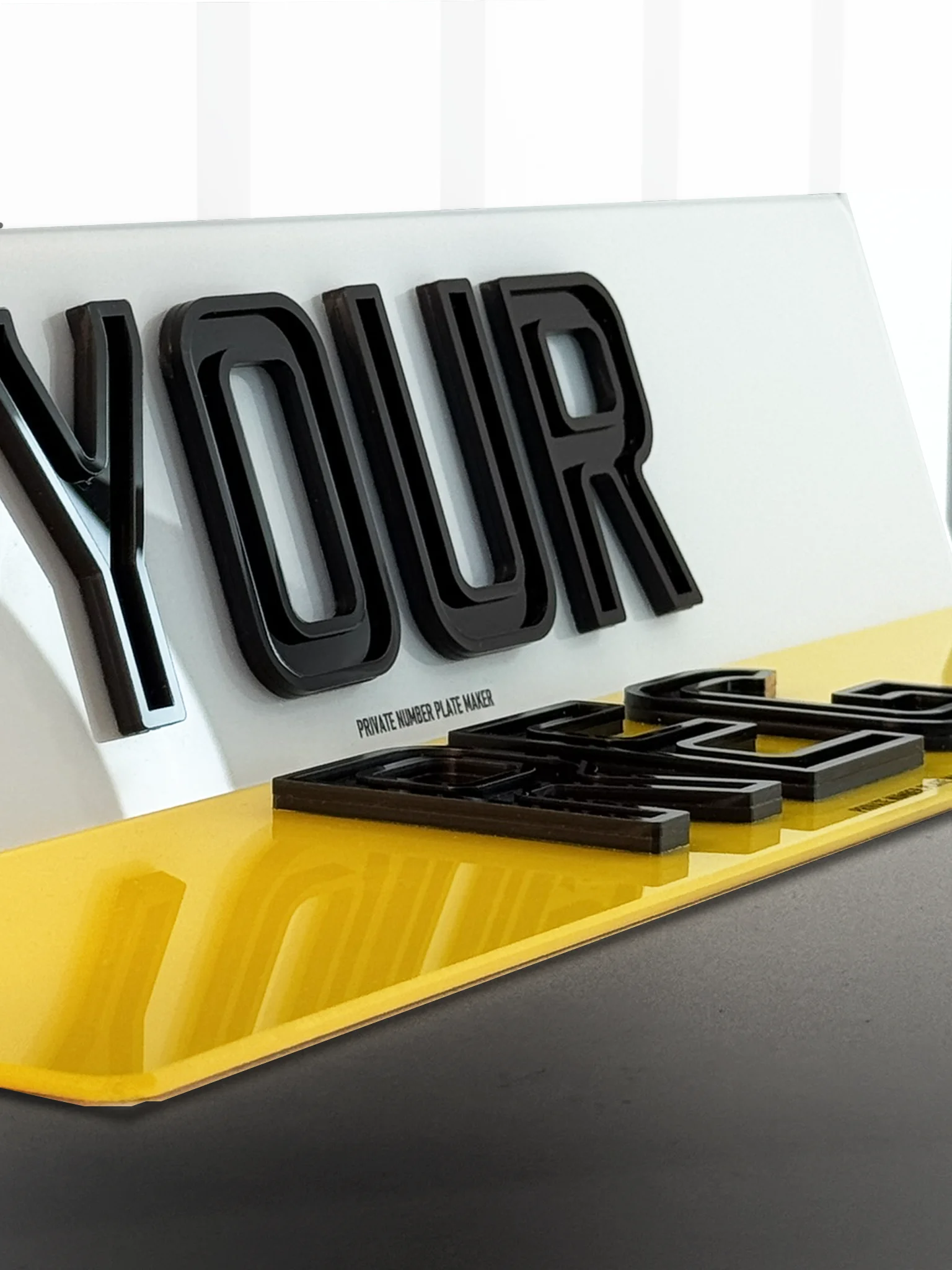 Ghost
Ghost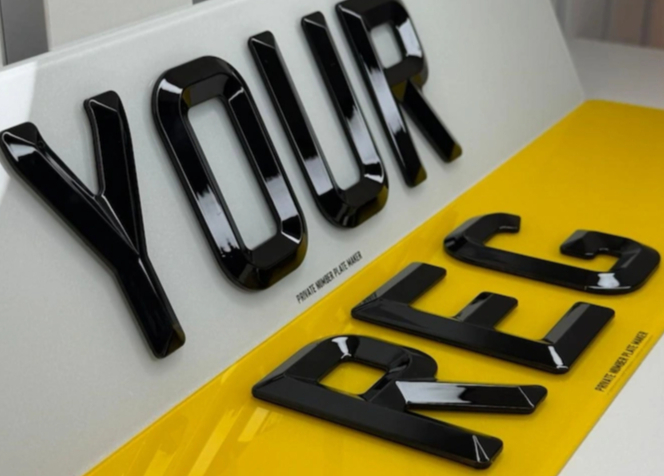 Bevel
Bevel5D Number Plates MOT: Will They Pass?
Summary
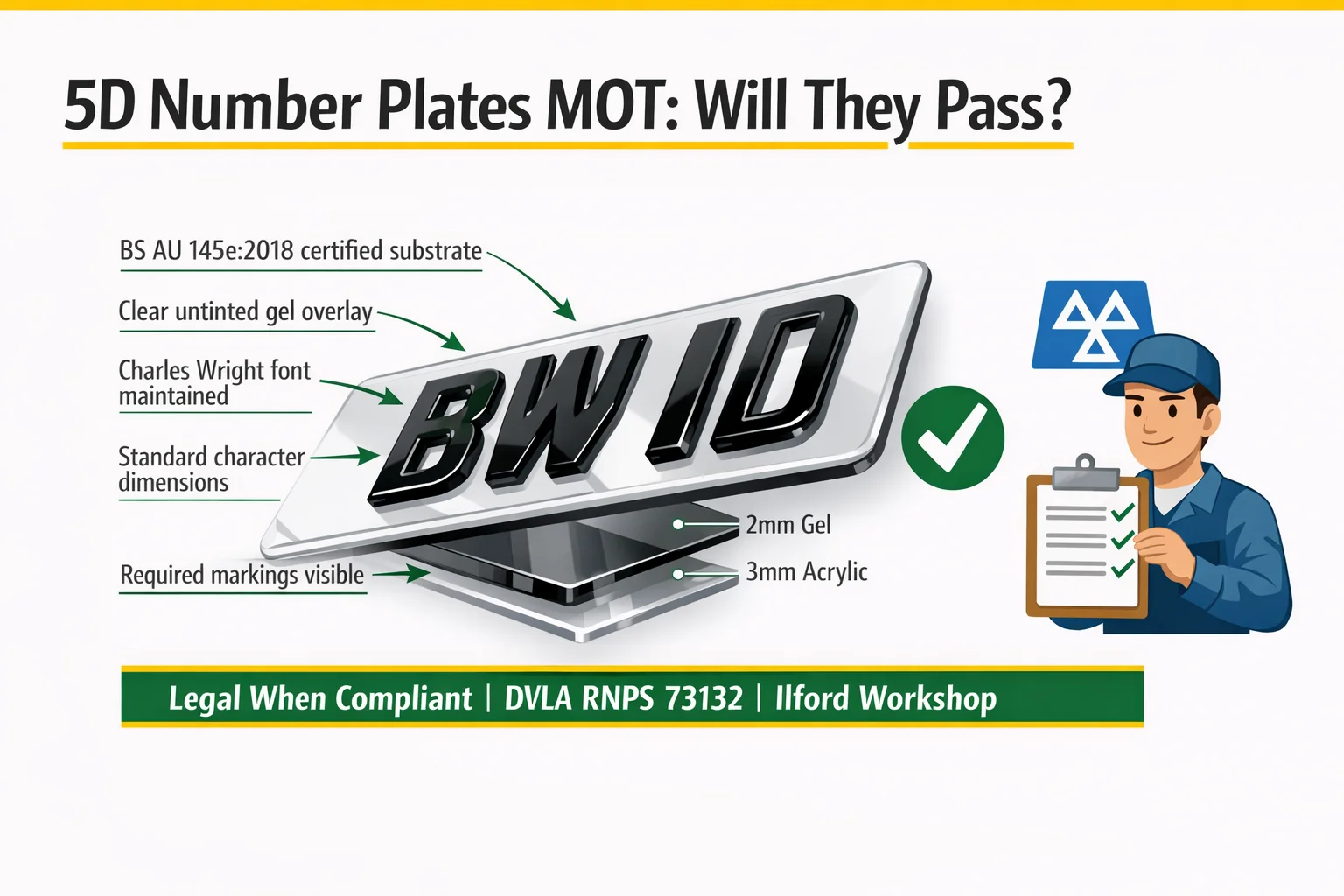
Yes, compliant 5D number plates pass MOT inspection without issue. The dual-layer construction - 3mm laser-cut acrylic base plus 2mm clear UV-cured gel overlay creating 5mm total character depth - does not breach MOT requirements when manufactured to BS AU 145e:2018 standards, using the mandatory Charles Wright font, maintaining standard character dimensions (79mm height, 50mm width, 11mm spacing), and preserving full retroreflective performance.
5D Number Plates Explained Guide | BS AU 145e Explained Guide
MOT testers inspect number plates for reflectivity, character formation, spacing, condition, and required markings. Legal 5D plates satisfy all these criteria because the raised elements are applied only to character areas, the gel overlay is clear and untinted, and the underlying BS AU 145e:2018 substrate remains fully functional for ANPR detection and driver visibility.
This guide explains exactly what MOT inspectors check for, common reasons premium plates fail, and how to ensure your 5D plates meet all requirements. As a DVLA-registered manufacturer (RNPS ID: 75449) based in Ilford, we manufacture MOT-compliant 5D plates on-site using certified materials and controlled processes, giving you confidence at test time.
Understanding MOT Number Plate Inspection Requirements
The MOT test includes specific checks for number plates under the "Registration Plates" inspection item. Understanding these requirements helps explain why compliant 5D plates pass without issue.
What MOT Testers Check
Under the MOT Inspection Manual (published by DVSA), testers must verify:
Reflectivity
Plates must be made of reflective material meeting BS AU 145e:2018. Testers may use visual inspection under controlled lighting or handheld reflectivity meters. The reflective substrate between characters must function properly.
Character Formation
Characters must be correctly formed using the mandatory Charles Wright font. Dimensions must meet regulatory specifications: 79mm height (cars), 50mm width, 14mm stroke thickness. Spacing must be 11mm between characters, 33mm for age identifier gaps.
Condition
Plates must not be obscured, faded, cracked, or deteriorated. Characters must remain legible and clearly visible. No modifications that reduce reflectivity or obscure characters.
Markings
BS AU 145e:2018 standard marking must be present and legible. Supplier name, postcode, and RNPS ID must be displayed. Markings must be permanent, embedded in the plate material.
Colour and Background
Front plates: black characters on white background. Rear plates: black characters on yellow background. Background colours must not be altered or obscured.
Why 5D Plates Can Meet These Requirements
The dual-layer construction of 5D plates does not inherently conflict with MOT criteria when manufactured correctly:
- Reflectivity preserved: Clear gel overlay allows light to reach and reflect from the BS AU 145e:2018 substrate
- Font maintained: Acrylic base is laser-cut to exact Charles Wright specifications; gel does not distort character shapes
- Dimensions correct: Raised depth (5mm) is perpendicular to the plate surface and does not alter planar dimensions (height, width, spacing)
- Condition intact: Quality manufacturing ensures gel remains clear, acrylic edges stay sharp, and substrate remains undamaged
- Markings visible: Required markings are positioned to avoid obstruction by raised character elements
The Short Answer: Compliant 5D Plates Pass MOT
Yes, 5D number plates pass MOT inspection when they meet all standard compliance requirements. The MOT test does not specify maximum character depth; it assesses whether plates are reflective, correctly formed, properly spaced, in good condition, and display required markings.
Key Compliance Factors for MOT-Passing 5D Plates
| Requirement | How Compliant 5D Plates Meet It |
|---|---|
| BS AU 145e:2018 substrate | Certified reflective material forms the foundation; acrylic and gel applied only to character areas |
| Charles Wright font | Acrylic base laser-cut to exact font specifications; gel overlay preserves character shape |
| Standard dimensions | Planar dimensions (79mm height, 50mm width, 11mm spacing) maintained; 5mm depth is perpendicular and unregulated |
| Reflectivity | Clear, untinted gel allows NIR and visible light to reach reflective substrate; no reduction in retroreflective performance |
| Character spacing | Gel application controlled to prevent overflow into spacing areas; 11mm gaps remain clear |
| Required markings | BS AU 145e:2018 marking, supplier details, and RNPS ID positioned to remain visible and legible |
| Condition | Quality manufacturing ensures gel remains clear, acrylic edges stay intact, substrate undamaged |
If any of these factors are not met, the plate may fail MOT regardless of whether it is labelled "5D", "4D", or any other designation.
Common Reasons 5D Plates Fail MOT (and How to Avoid Them)
Understanding typical failure points helps you ensure your 5D plates pass inspection.
Failure Reason 1: Tinted or Darkened Gel Overlay
The Problem
Some suppliers apply tinted, smoked, or darkened gel to create a "stealth" appearance. This reduces reflectivity and breaches BS AU 145e:2018 requirements.
MOT Impact
- Testers detect reduced reflectivity visually or with meters
- Plate fails the reflectivity check
- Vehicle cannot pass MOT until compliant plates are fitted
Prevention
- Ensure gel overlay is clear and untinted
- Perform a simple torch test: in dim light, shine a light at the plate from camera angle (15-30 degrees); legal plates reflect light clearly back toward the source
- Purchase only from DVLA-registered suppliers who guarantee BS AU 145e compliance
Are 5D Number Plates Legal Guide
Failure Reason 2: Gel Overflow Encroaching on Spacing
The Problem
Poor manufacturing control can cause gel to overflow beyond character boundaries, encroaching on the required 11mm spacing between characters.
MOT Impact
- Testers measure character spacing; encroachment breaches Regulation 13
- Plate fails the character formation check
- Vehicle cannot pass MOT until spacing is corrected
Prevention
- Choose suppliers with controlled gel dispensing systems
- Inspect plates before fitting: spacing between characters should be clear and unobstructed
- Verify character dimensions with a ruler or caliper if uncertain
Failure Reason 3: Missing or Obscured Markings
The Problem
Required markings (BS AU 145e:2018, supplier details, RNPS ID) may be omitted, applied as removable stickers, or obscured by gel overflow.
MOT Impact
- Testers check for permanent, legible markings
- Missing or obscured markings cause failure
- Vehicle cannot pass MOT until markings are corrected
Prevention
- Verify markings are present, embedded in the plate material, and legible before fitting
- Check that raised elements do not cover marking areas
- Request batch certification documentation from the supplier
Failure Reason 4: Gel Delamination or Cracking
The Problem
Poor adhesion between gel and acrylic, or low-quality materials, can cause gel to lift, crack, or yellow over time.
MOT Impact
- Damaged characters affect legibility and appearance
- Testers may fail plates with visible deterioration
- Vehicle cannot pass MOT until plates are replaced
Prevention
- Choose suppliers using quality UV-cured resins with proven adhesion properties
- Avoid abrasive cleaning methods that could damage gel surfaces
- Inspect plates periodically and replace if deterioration is visible
Failure Reason 5: Incorrect Font or Dimensions
The Problem
Some suppliers use decorative fonts, condensed variants, or incorrect character dimensions to achieve a particular aesthetic.
MOT Impact
- Testers verify font and dimensions against regulatory specifications
- Non-compliant fonts or dimensions cause failure
- Vehicle cannot pass MOT until plates are replaced with compliant versions
Prevention
- Confirm the supplier uses the mandatory Charles Wright font
- Verify character height (79mm for cars), width (50mm), and spacing (11mm) before fitting
- Purchase only from DVLA-registered suppliers who verify compliance
How MOT Testers Assess Premium Plates
Understanding the inspection process helps set expectations and prepare for your MOT test.
Visual Inspection Methods
Controlled Lighting Assessment
Testers often examine plates under standardised lighting conditions to assess reflectivity consistency across the plate surface, character clarity and legibility, presence and legibility of required markings, and overall condition (cracks, fading, deterioration).
Angle-of-View Check
Testers may view plates from multiple angles to confirm characters remain clearly defined despite raised elements, verify gel overlay does not distort character shapes, and ensure spacing and margins are unobstructed.
Reflectivity Testing
Visual Reflectivity Check
Most testers use visual assessment under controlled lighting: shine a light at the plate from approximately 15-30 degrees, observe whether light reflects clearly back toward the source, and check for consistent reflection across the entire surface.
Handheld Reflectivity Meters
Some testing centres use portable devices that measure retroreflective performance quantitatively, compare readings against BS AU 145e:2018 thresholds, and provide objective evidence of compliance or non-compliance.
How 5D Plates Perform
Compliant 5D plates pass these tests because clear gel allows light to reach the reflective substrate, acrylic edges do not interfere with light reflection between characters, and overall reflectivity meets or exceeds BS AU 145e:2018 requirements.
Character Dimension Verification
Measurement Tools
Testers may use rulers, calipers, or templates to verify character height (79mm for cars, 64mm for motorcycles), character width (50mm excluding 'I' and '1'), stroke thickness (14mm), character spacing (11mm between characters), age identifier gap (33mm), and margins (11mm minimum).
Motorcycle Number Plates Guide
How 5D Plates Comply
The dual-layer construction does not alter planar dimensions: acrylic base is cut to exact regulatory specifications, gel overlay adds depth perpendicular to the plate surface, spacing and margins remain clear and unobstructed, and measurements match requirements regardless of character depth.
Pre-MOT Checklist for 5D Plate Owners
Use this practical checklist before your MOT test to ensure your 5D plates are ready for inspection.
Visual Inspection
Yes Reflectivity Test
- In a dimly lit area, shine a torch or phone light at the plate from camera angle (15-30 degrees)
- Confirm light reflects clearly back toward the source across the entire surface
- Check that gel overlay is clear and untinted
Yes Character Formation
- Verify characters use the Charles Wright font (compare with official samples online)
- Confirm character height is 79mm (cars) or 64mm (motorcycles)
- Check that spacing between characters is 11mm and unobstructed
Yes Marking Verification
- Confirm BS AU 145e:2018 marking is present and legible
- Check supplier name, postcode, and RNPS ID are displayed
- Ensure markings are embedded in the plate material, not applied as stickers
Yes Condition Assessment
- Inspect for gel lifting, cracking, or yellowing
- Check acrylic edges for chips or damage
- Verify substrate shows no signs of fading, cracking, or deterioration
Number Plate Maintenance Guide
Documentation
Yes Retention of Records
- Keep purchase receipts, order confirmations, and supplier details
- Retain any BS AU 145e:2018 batch certification provided by the supplier
- Document verification records demonstrate good faith if questioned
Yes Supplier Verification
- Confirm the supplier holds valid DVLA RNPS registration (ask for their ID)
- Verify they requested and checked your entitlement documents before manufacturing
- Check they have a verifiable physical business address
If Issues Are Identified
Minor Concerns
- Surface dirt or grime: Clean gently with mild soap and water, dry with microfiber cloth
- Light surface marks on gel: May be polished carefully with appropriate products
Significant Issues
- Gel delamination, cracking, or yellowing: Replace plates before MOT test
- Missing or obscured markings: Contact supplier for compliant replacement
- Incorrect font or dimensions: Replace with plates from DVLA-registered supplier
Replacement Number Plates UK Complete Buying Guide
Timing
Allow sufficient time for replacement plates to be manufactured and fitted before your MOT appointment. Same-day collection from our Ilford workshop or next-day UK delivery available for urgent replacements.
What Happens If Your 5D Plates Fail MOT?
Understanding the consequences and next steps helps you respond effectively if plates fail inspection.
Immediate Restrictions
Driving Limitations
If your vehicle fails MOT due to number plate issues, you cannot legally drive the vehicle except to pre-booked repair facilities. You may drive to your home address only if the current MOT certificate has not expired. Driving outside these exceptions risks further penalties.
Tax and Insurance Implications
- You cannot renew vehicle tax without a valid MOT certificate
- Insurance may be invalidated if driving without valid MOT
- Vehicle cannot be sold with valid MOT until plates are replaced and retest passed
Replacement Requirements
Fitting Compliant Plates
To pass retest, you must replace non-compliant plates with MOT-compliant versions, ensure new plates meet all BS AU 145e:2018 and regulatory requirements, and fit plates correctly using standard fixings without obscuring markings.
Retest Process
- Full or partial retest may be required depending on tester discretion
- Retest fees apply (£20-£60 typical, varies by testing centre)
- Allow time for retest appointment after fitting new plates
Cost Considerations
Replacement Plate Costs
- Compliant 5D plates from registered suppliers: typically £70-£110
- Standard compliant plates: typically £20-£40 (if premium appearance not required)
Additional Costs
- Retest fees: £20-£60 typical
- Fitting costs if using a garage: variable
- Potential loss of earnings if vehicle used for work and delayed
Value of Compliance
Investing in compliant plates from the outset avoids MOT failure and retest costs, potential Fixed Penalty Notices for non-compliant plates, and vehicle seizure risk if insurance or tax cannot be verified.
Why Our 5D Plates Pass MOT Every Time
At Private Number Plate Maker Ltd (RNPS ID: 75449), we manufacture 5D plates at our Ilford workshop with MOT compliance as a core priority.
Manufacturing Controls That Ensure Compliance
Substrate Verification
- Every plate begins with BS AU 145e:2018 certified substrate from approved suppliers
- Batch certification documentation retained for audit purposes
- Substrate reflectivity tested against standard thresholds before production
Precision Laser-Cutting
- Acrylic characters cut using calibrated CNC equipment
- Digital templates ensure exact Charles Wright font specifications
- Character dimensions verified against regulatory requirements (79mm height, 50mm width, 11mm spacing)
Controlled Gel Application
- UV-cured resin dispensed using precision equipment to achieve consistent 2mm overlay
- Application boundaries controlled to prevent overflow into spacing areas
- Curing parameters monitored to ensure optical clarity and adhesion strength
UV Curing Process 3D Gel Plates Guide
Quality Inspection Protocol
Every 5D plate undergoes checks for character dimensions and font accuracy, gel clarity and finish quality (no tinting, yellowing, or bubbles), reflectivity performance under controlled lighting, correct placement and legibility of required markings, and overall condition and durability assessment.
Document Verification and Accountability
Schedule 2 Compliance
Under the Road Vehicles Regulations 2001, we verify your identity and entitlement before manufacturing. Accepted documents include V5C, V750, V778, V948, plus driving licence or passport. Verification conducted in-person for collection or via secure encrypted upload for delivery. Records retained as required by DVLA RNPS regulations.
V5C vs V750 vs V778 Guide | DVLA Document Requirements Guide
Traceability and Accountability
- Each plate linked to verification documentation and production records
- RNPS ID 75449 displayed on every plate for traceability
- Full accountability to DVLA for compliance and quality standards
Service Options for MOT Peace of Mind
Same-Day Collection at Ilford Workshop
- Visit our Castleview Gardens, Ilford location for face-to-face verification
- View 5D plate samples in person before ordering
- Watch your plates being manufactured and collect immediately
- Expert advice on fitting and MOT preparation
Same Day Number Plates Ilford Guide
Next-Day UK Delivery
- Secure encrypted document upload for remote verification
- Plates manufactured to order and quality-checked before dispatch
- Tracked next-day delivery service with protective packaging
- Guidance included on fitting and MOT readiness
Frequently Asked Questions
Yes, compliant 5D plates pass MOT inspection. Testers check reflectivity, character formation, spacing, condition, and required markings - all of which legal 5D plates satisfy when manufactured correctly.
Common failure reasons include: tinted gel reducing reflectivity, gel overflow encroaching on character spacing, missing or obscured markings, gel delamination or cracking, and incorrect font or dimensions.
Perform a torch test in dim light: shine a light at the plate from camera angle (15-30 degrees). Legal plates reflect light clearly back toward the source. Also verify markings are present and characters use Charles Wright font.
Yes, you can fit 5D plates yourself using standard fixings. Ensure plates are positioned correctly (front: white background; rear: yellow background) and secured without obscuring markings.
Conclusion
5D number plates pass MOT inspection when manufactured to meet all regulatory requirements. The dual-layer construction - 3mm laser-cut acrylic plus 2mm clear UV-cured gel creating 5mm total character depth - does not breach MOT criteria when BS AU 145e:2018 certified substrate is used, Charles Wright font and standard dimensions are maintained, gel overlay is clear and untinted, full reflectivity and ANPR readability are preserved, and required markings are present and legible.
Common failure reasons - tinted gel, spacing encroachment, missing markings, deterioration, or incorrect font - are avoidable by purchasing from DVLA-registered manufacturers who verify documents and guarantee compliance.
Premium Number Plates 5D Worth Investment Guide
At Private Number Plate Maker Ltd (RNPS ID: 75449), we manufacture MOT-compliant 5D plates at our Ilford workshop, combining premium aesthetics with full regulatory adherence. Choose quality. Choose compliance. Choose confidence at MOT time.
This guide references the following official and verified sources:
Road Vehicles (Display of Registration Marks) Regulations 2001
legislation.gov.ukBritish Standards Institution: BS AU 145e:2018
bsigroup.comDVSA MOT Inspection Manual
gov.ukDVLA Registered Number Plate Supplier (RNPS) requirements
gov.uk